Food processing and beverage industries require highly reliable and safe equipment to ensure that the final products meet both quality and safety standards. One critical component in such processes is the Food Grade Solenoid Valve, a device that plays a vital role in controlling the flow of liquids and gases in food and beverage production lines. These valves are specifically designed to meet the stringent hygiene standards necessary for handling consumable products. This article explores the importance, applications, and features of Food Grade Solenoid Valves in modern food processing.
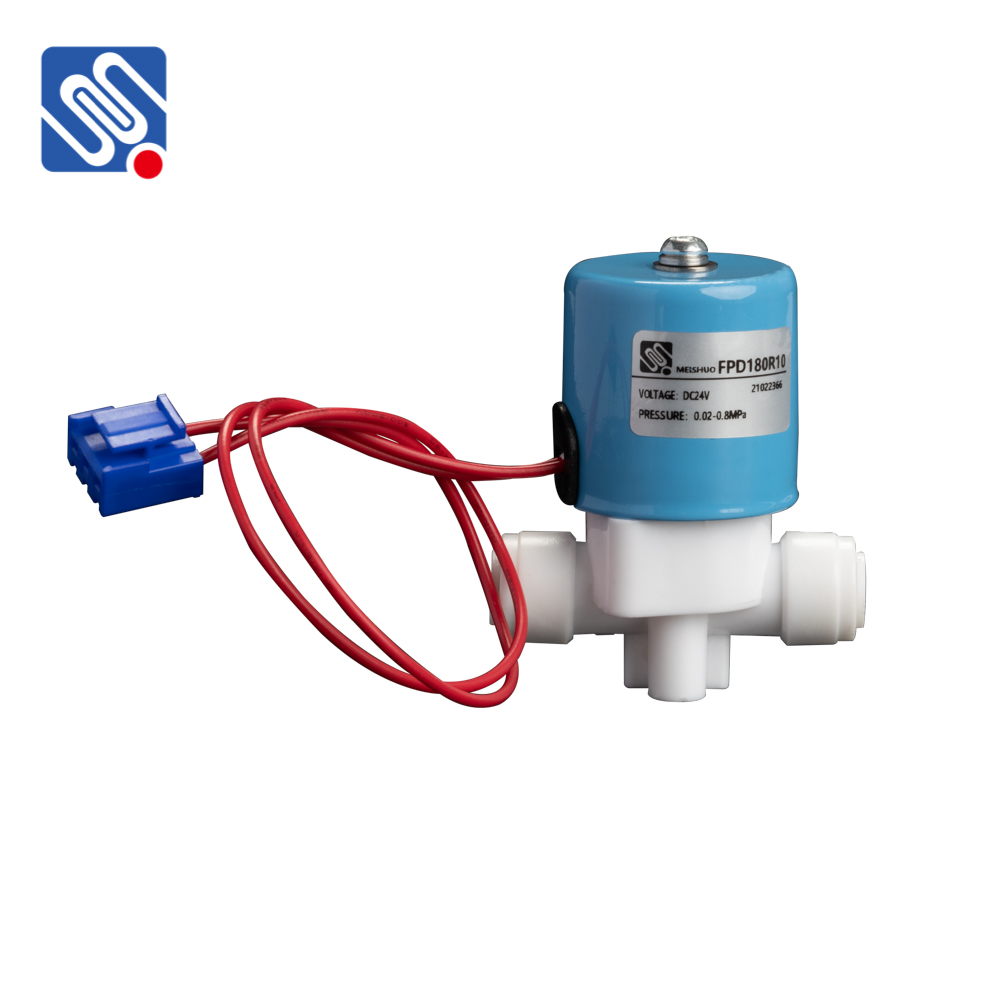
What is a Food Grade Solenoid Valve? A Food Grade Solenoid Valve is an electrically operated valve used to control the flow of liquids or gases in food production systems. It is designed using materials that comply with food safety regulations and standards, ensuring that the valve does not contaminate the products it processes. These valves are typically constructed from stainless steel, food-grade plastics, and non-toxic elastomers, ensuring their durability and resistance to the harsh conditions commonly encountered in food processing environments. The solenoid valve consists of an electromagnetic coil, which, when energized, creates a magnetic field that actuates the valve’s opening and closing mechanism. This allows for automated control of fluid flow, making it ideal for applications where precise flow regulation is required.