In the food and beverage industry, the safety and quality of the products are paramount. As food processing systems become more automated, the importance of selecting appropriate equipment becomes crucial. One such piece of equipment that plays a critical role in maintaining food safety is the solenoid valve. These valves are responsible for controlling the flow of liquids, gases, and other materials in food processing systems. However, not all solenoid valves are suitable for use in food applications. This is where Food Grade Solenoid Valve Certification comes into play. This certification ensures that solenoid valves are safe to use in environments where food contact is inevitable, meeting stringent hygiene and material safety standards.
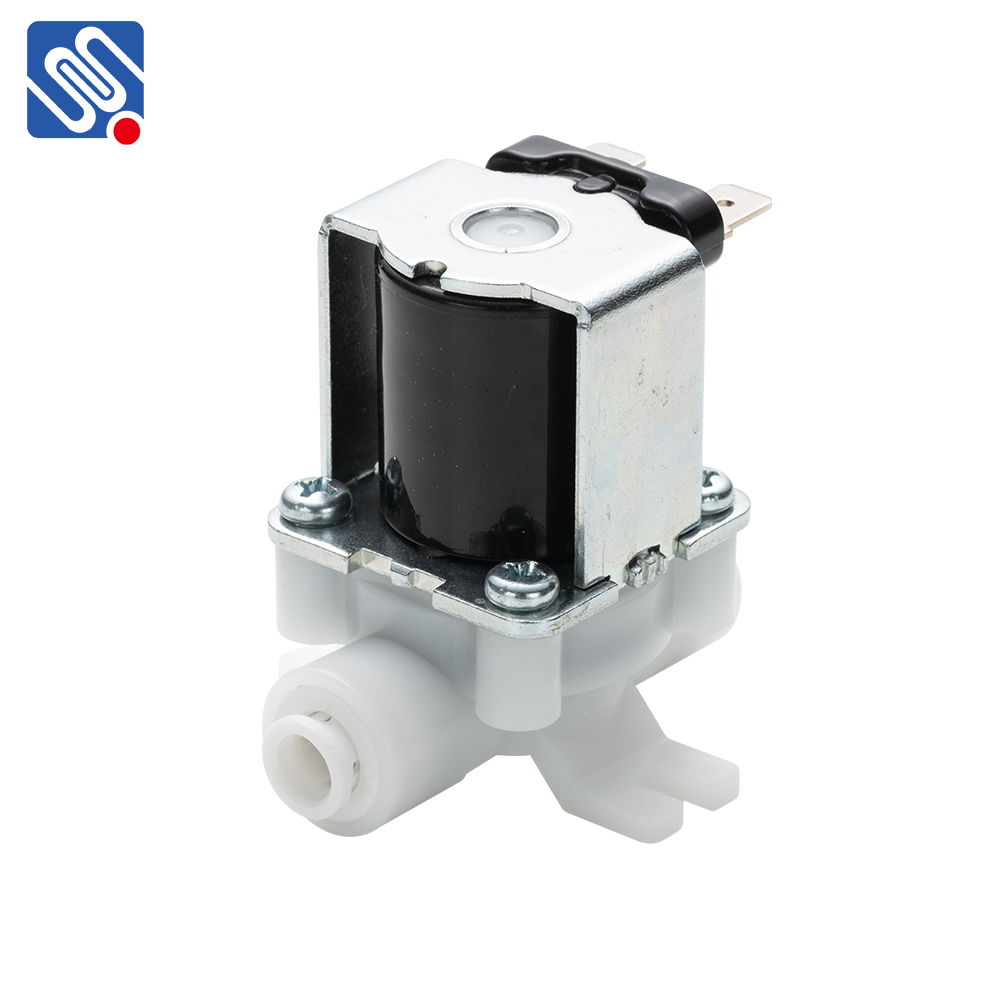
What is Food Grade Solenoid Valve Certification? Food Grade Solenoid Valve Certification refers to a series of tests and standards that solenoid valves must pass in order to be deemed safe for use in food processing and handling environments. These certifications confirm that the valve’s materials, design, and overall construction meet the safety and sanitary requirements for direct food contact. The certification ensures that no harmful substances, including metals, plastics, or other materials, migrate into the food products. The Importance of Certification In food manufacturing and processing, maintaining food safety is a legal and ethical obligation. Solenoid valves that are used in systems like beverage production, dairy processing, or food packaging must not introduce contaminants into the product. Without Food Grade Certification, there’s a risk that the materials of the valve could release toxins, chemicals, or particles into the food, endangering consumer health. In addition, certified valves are often easier to clean and maintain, reducing the chances of bacteria or mold growth and minimizing cross-contamination between products.