High Current Power Relays (HCPR) are essential components in the electrical and electronic systems that handle heavy electrical loads. These specialized relays enable the control and switching of high current circuits, often used in industrial machinery, automotive systems, home appliances, and power distribution networks. As their name suggests, High Current Power Relays are designed to manage much higher currents than standard relays, providing a safe and reliable solution for various high-power applications. In this article, we will explore the features, applications, and working principles of High Current Power Relays, along with factors to consider when choosing the right relay for your system.
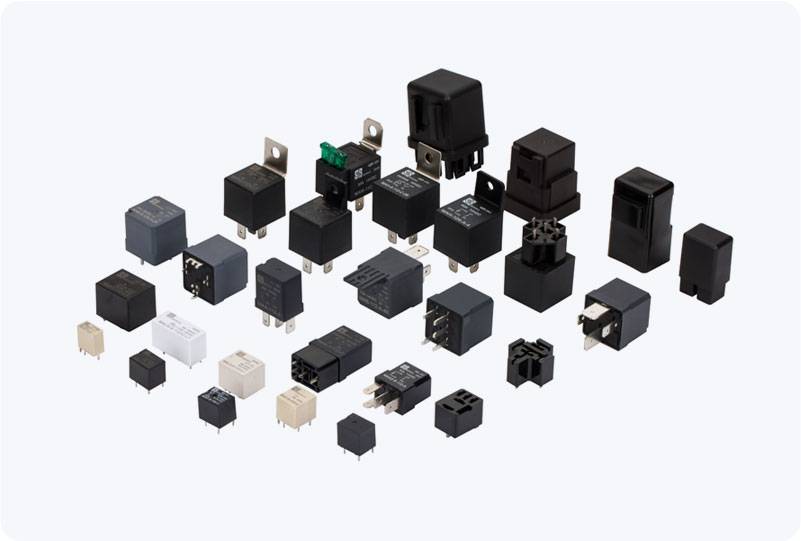
What is a High Current Power Relay? A High Current Power Relay is an electromagnetic switch that uses low voltage control signals to switch high voltage and high current loads. It can handle much higher electrical currents, typically ranging from several amperes up to several hundred amperes, depending on the specific relay. These relays are engineered to manage significant power levels, which would otherwise be impossible for typical relays to control. High Current Power Relays have contact points made from materials that can withstand the stress of continuous high current flows without degrading. Additionally, these relays are designed with advanced heat dissipation features to avoid overheating during prolonged operation, ensuring their longevity and reliability.