In the rapidly evolving world of new energy vehicles (NEVs), ensuring the safety and efficiency of the electrical systems is crucial. One component that plays a vital role in this aspect is the High Voltage DC Relay (HVDC Relay). These relays are essential for managing the high-voltage direct current (DC) that powers the core systems of electric vehicles (EVs) and plug-in hybrid electric vehicles (PHEVs). By controlling the flow of electricity between different parts of the vehicle’s powertrain, HVDC relays ensure that the vehicle operates safely, reliably, and efficiently.
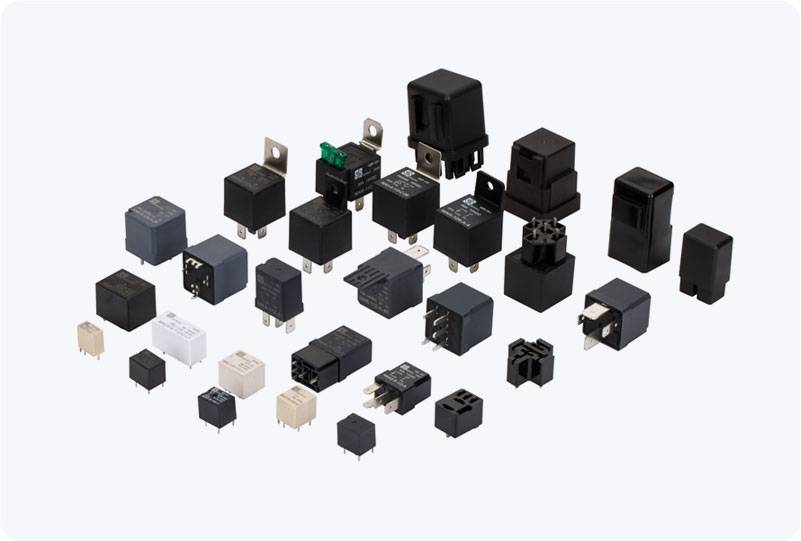
The Function of High Voltage DC Relays High Voltage DC Relays are designed to manage the flow of high-voltage electricity, which is critical in NEVs that use large battery packs. These relays act as switches, controlling the power distribution between components like the battery pack, electric motor, inverter, and charger. They have two primary functions: disconnecting or isolating high-voltage circuits for safety during maintenance or emergency situations, and enabling power flow during normal operation to allow the vehicle to drive and charge. A typical electric vehicle uses a battery pack with voltages ranging from 200V to 800V or higher, depending on the vehicle’s design. As the electrical systems in these vehicles handle such high voltages, safety and reliability are paramount. HVDC relays ensure that the electrical systems are protected from overloads, short circuits, and other hazardous conditions by quickly disconnecting power when needed. Additionally, they are used in the vehicle’s Battery Management System (BMS) to monitor and manage battery health.