In recent years, the global shift toward new energy vehicles (NEVs) has brought significant technological advancements, not only in electric drive systems but also in energy management components. One such crucial component is the High Voltage DC Relay (HVDC Relay), which plays a pivotal role in managing the electrical power that flows between various subsystems in NEVs. This article explores the importance, working principles, challenges, and future trends of HVDC relays in new energy vehicles.
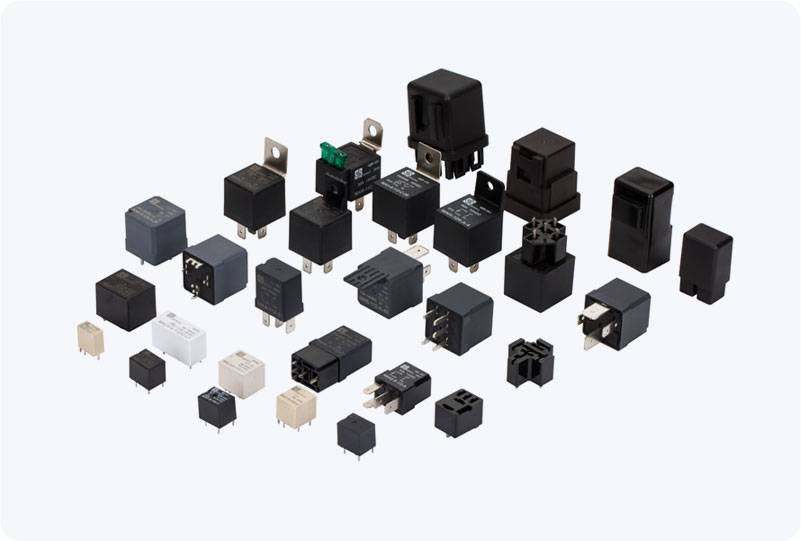
What is a High Voltage DC Relay? A High Voltage DC Relay is an electrical device used to open or close a circuit in high-voltage DC (Direct Current) systems. These relays are designed to handle the substantial power demands of new energy vehicles, which typically operate on battery systems with voltages ranging from 400V to 800V or even higher. The primary function of HVDC relays in NEVs is to ensure that power is safely and efficiently routed to various parts of the vehicle, such as the battery, motor, and charging system. The Role of HVDC Relays in New Energy Vehicles In NEVs, electrical power is central to the operation of several components, including the motor, battery management system (BMS), and charging infrastructure. The HVDC relay ensures the safe operation of these systems by controlling the flow of electricity, preventing overcurrent, and allowing for the disconnecting of circuits during emergencies or when the vehicle is being charged.