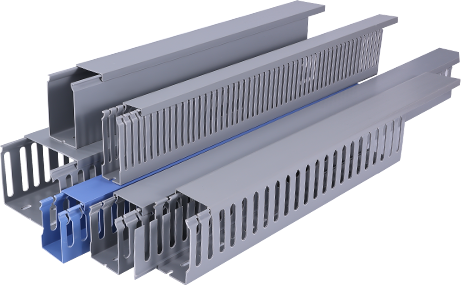
When organizing cables in home offices, commercial buildings, or industrial settings, PVC cable raceway has become one of the most popular solutions for hiding unsightly wires, protecting cables from damage, and improving overall space safety. Unlike metal raceways, PVC options are lightweight, cost-effective, and easy to install without specialized tools, making them a top choice for both DIY enthusiasts and professional electricians. However, with a wide range of sizes, styles, and features available on the market, selecting the right PVC cable raceway for your specific project can feel overwhelming if you don’t know what factors to prioritize. This guide will break down the key considerations to help you make an informed decision that meets your functional needs and aesthetic expectations.
First, you need to start by clarifying your project’s specific requirements, particularly the number and size of cables you plan to accommodate. Many people make the mistake of buying a raceway that is too small, only to find they cannot fit all their wires or struggle to close the cover after installation. To avoid this issue, take time to count all the cables that will run through the raceway, measure the outer diameter of each cable, and calculate the total cross-sectional area you need. It is always recommended to leave 20 to 30 percent extra space for future cable additions, as many projects end up requiring more wires than initially planned. For example, a small raceway designed for a few low-voltage speaker wires will not work for multiple power cables and HDMI cords running along a wall for a home theater setup. If you are installing raceway in an industrial environment with large power cables, you will need a heavy-duty option with a much larger internal capacity than a basic residential application.
Secondly, you need to consider the installation location and environmental conditions, as these factors will determine what type of PVC material and rating you need. PVC cable raceway is generally suitable for indoor use, but not all products are designed for exposed outdoor areas or high-moisture environments like basements, bathrooms, or outdoor patios. If you are installing raceway in a damp location, look for products labeled as water-resistant or UV-stabilized, as regular PVC can degrade over time when exposed to constant moisture or direct sunlight, leading to brittleness, discoloration, or cracking. For installations behind walls or in concealed spaces, you can opt for a thinner, more affordable PVC raceway, but for exposed installations along baseboards or wall surfaces, you will want to choose a raceway with a smooth, paintable finish that blends in with your wall color. Additionally, if you are running power cables that generate heat, make sure the PVC raceway you choose has a suitable temperature rating to prevent warping or fire hazards, as low-quality PVC can soften when exposed to sustained high temperatures.
Another important factor to evaluate is the style and mounting design of the PVC cable raceway, which will affect both installation ease and final appearance. The most common styles are surface-mounted raceway, which attaches directly to wall or floor surfaces, and recessed raceway, which fits into a groove cut into the wall for a more seamless look. Surface-mounted options are much easier to install for DIY projects, as you only need adhesive or screws to attach them to the existing wall, while recessed raceway requires more advanced construction work. You should also pay attention to the cover design: snap-on covers are the most convenient for regular access, as you can easily pop them off to add or remove cables without removing the entire raceway, while screw-on covers offer more security for high-traffic or industrial areas where the cover might be accidentally knocked loose. For areas that require a neat aesthetic, choose a low-profile raceway that sits close to the wall, rather than a bulky option that sticks out and draws attention. Many brands also offer pre-cut corner pieces and junction boxes that make it easier to navigate turns or connect multiple sections, which can save you a lot of time during installation.
Furthermore, you need to balance your budget with quality, as not all PVC cable raceway products are created equal. Cheaper no-name options often have thin walls, rough edges, and poor quality plastic that can crack during installation or break down within a few years. While you don’t need to buy the most expensive option on the market, it is worth investing in a product from a reputable manufacturer that meets industry safety standards, especially if you are running power cables. Look for products that have been tested for fire resistance and comply with local electrical codes, as improper raceway can create safety hazards in some regions. That said, for low-voltage applications like network or speaker cables, you can opt for a more affordable mid-range product that still offers good durability. Many suppliers sell PVC cable raceway in pre-packaged kits that include all the necessary mounting hardware and connectors, which is often more cost-effective than buying individual pieces separately.
In conclusion, choosing the right PVC cable raceway doesn’t have to be a complicated process if you break down your needs step by step. By first calculating the required size based on your current and future cable needs, then matching the product to your installation environment, selecting the right style for your skill level and aesthetic goals, and balancing cost with quality, you can find a solution that works perfectly for your project. Taking the time to evaluate these key factors before making a purchase will save you from the hassle of returning ill-fitting products or dealing with damage and safety issues down the line, resulting in a neat, safe, and long-lasting cable organization system for your space.