Industrial relays are essential components in control circuits, acting as switches to open or close electrical contacts. They are widely used in machinery and automation systems to control high-voltage circuits with low-voltage signals. However, like any electrical component, relays can wear out over time, leading to malfunction or failure. To ensure optimal performance, it is crucial to test industrial relays regularly, especially when troubleshooting an electrical system. One of the most effective and straightforward tools for testing relays is a multimeter. This article will provide a step-by-step guide on how to test an industrial relay with a multimeter.
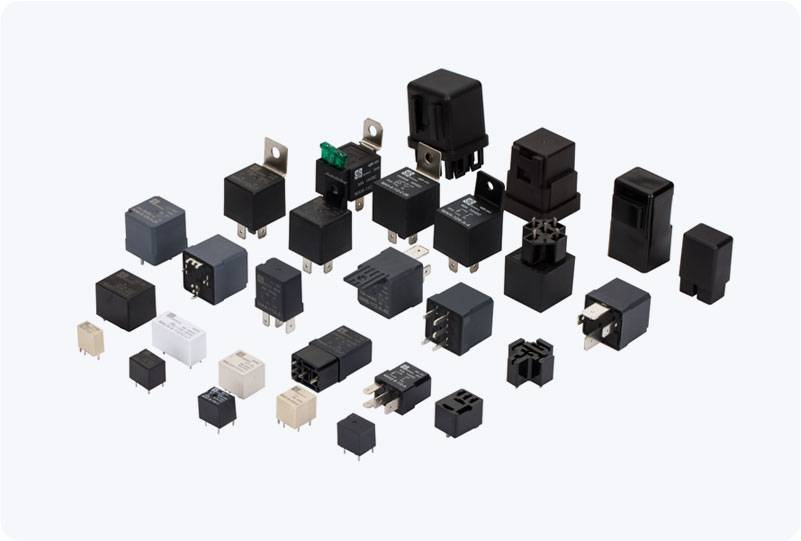
1. Understanding the Relay Components Before diving into the testing process, it is essential to understand the basic components of an industrial relay. A typical industrial relay consists of: Coil (Electromagnet): The coil is the part of the relay that, when energized, generates a magnetic field to pull the contacts together or separate them. Contacts: These are the switch elements that open and close in response to the coil’s activation. There are typically three types of contacts: Normally Open (NO): These contacts are open (disconnected) when the relay is not energized and close (connect) when the relay is activated.