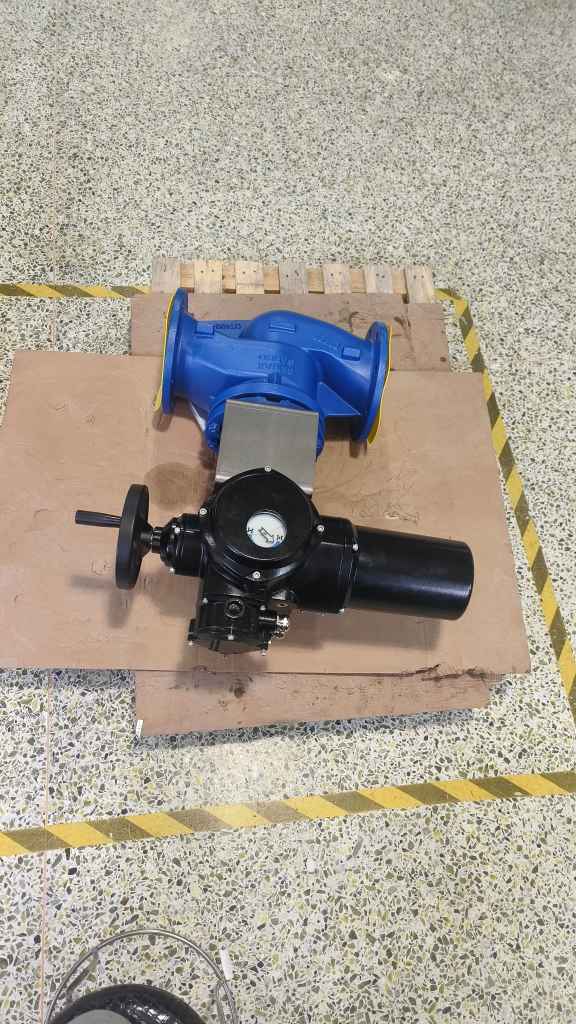
Hydrogen energy has emerged as a promising solution in the transition to a cleaner and more sustainable energy landscape. With its ability to produce zero-emission power, hydrogen is increasingly being used in various sectors, from transportation to industrial applications. However, the safe and efficient handling of hydrogen gas is crucial, especially given its highly flammable nature. One of the most important components ensuring this safety is the Hydrogen Energy Electric Shut-Off Valve. In this article, we will explore its function, significance, and the technical aspects that make it a critical part of hydrogen energy systems.
1. What is a Hydrogen Energy Electric Shut-Off Valve?
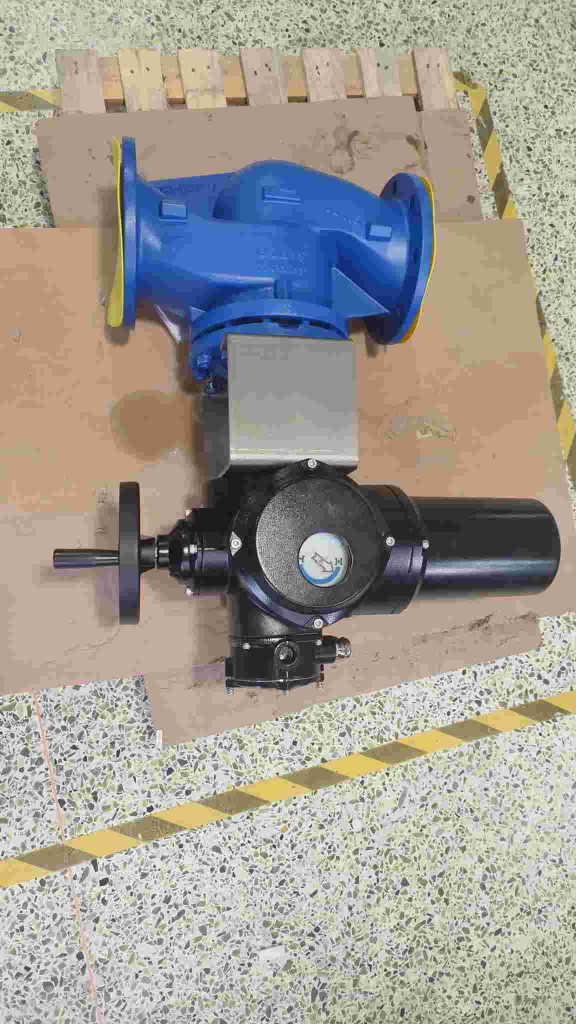
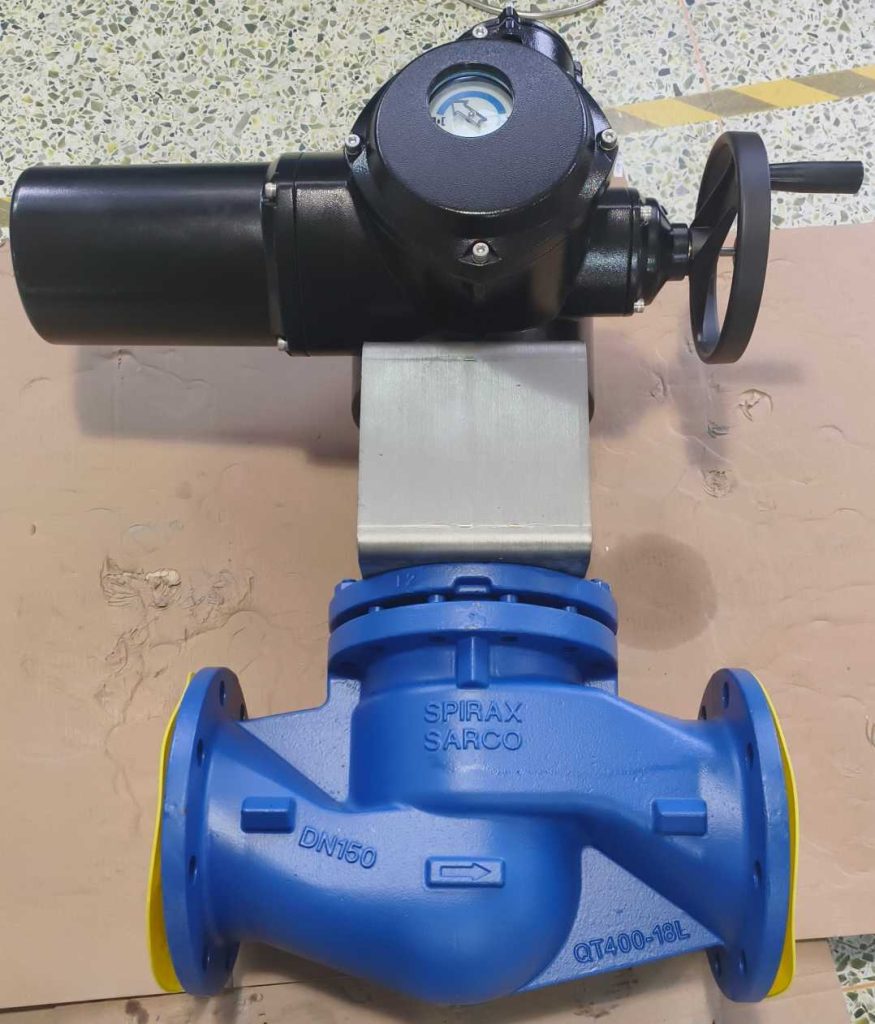
A Hydrogen Energy Electric Shut-Off Valve is a device that plays an essential role in controlling the flow of hydrogen gas within a system. It is an electrically operated valve designed to quickly and safely cut off the hydrogen supply in case of an emergency or when certain operational conditions are met. These valves are commonly found in hydrogen refueling stations, fuel cell vehicles, and industrial hydrogen pipelines. The valve operates through an electric actuator, which is powered by a control system. When the control system sends an electrical signal to the actuator, the valve either opens or closes to regulate the flow of hydrogen gas. This functionality is critical for preventing leaks, ensuring the safety of the system, and maintaining operational efficiency.