Hydrogen energy has emerged as a promising solution in the quest for cleaner and more sustainable energy sources. As the world seeks to reduce carbon emissions and transition to greener alternatives, hydrogen stands out as a versatile and renewable fuel. One of the critical components that ensure the safe and efficient use of hydrogen is the hydrogen energy electric shut-off valve. These valves are designed to control the flow of hydrogen gas within various energy systems, ensuring both safety and operational efficiency.
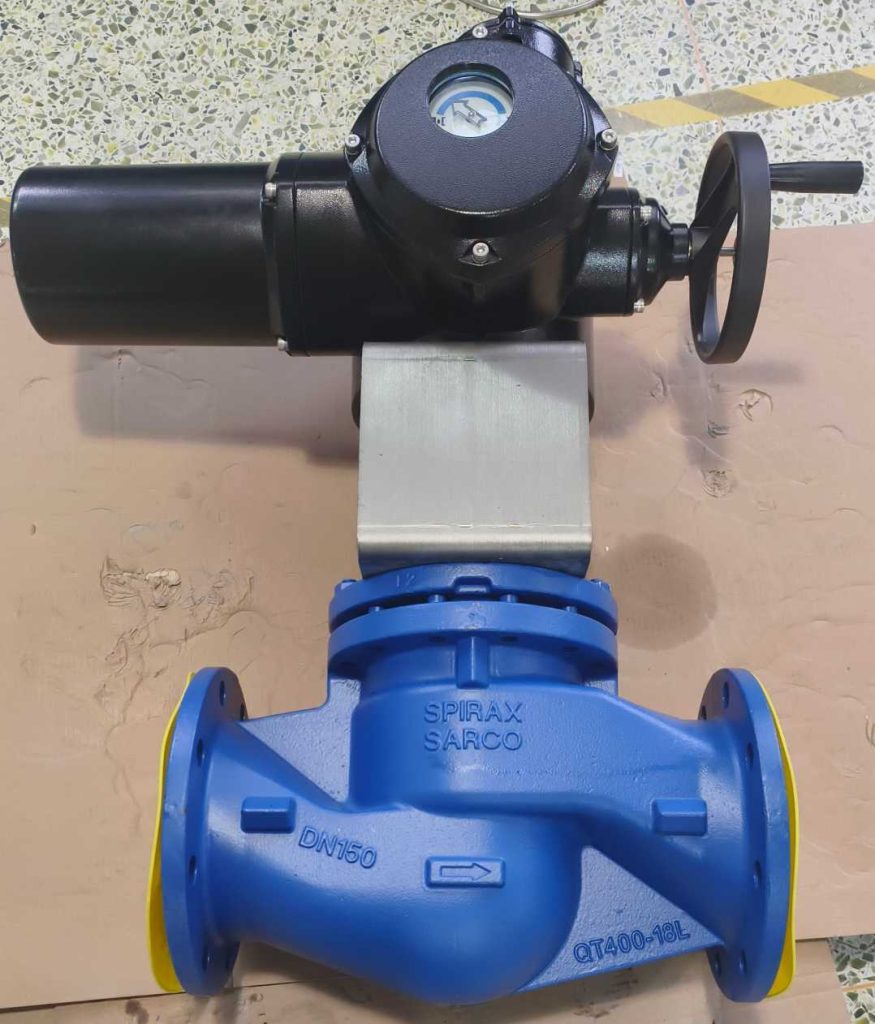
What is a Hydrogen Energy Electric Shut-Off Valve?
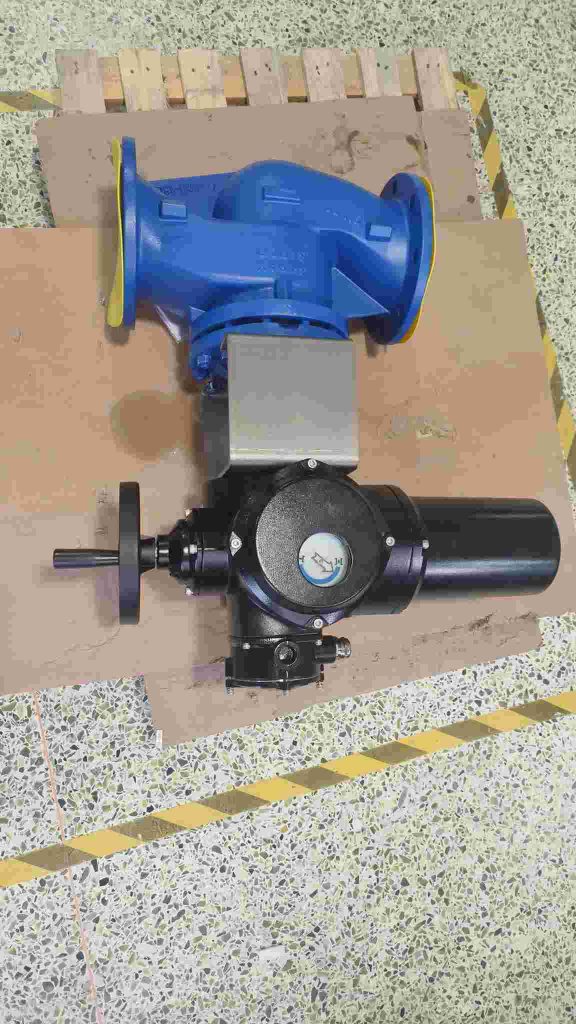
A hydrogen energy electric shut-off valve is an automated valve used to control the flow of hydrogen gas in systems such as hydrogen fuel cells, hydrogen storage, and distribution networks. These valves can be remotely operated via electric signals, allowing precise and efficient control of hydrogen flow. As hydrogen is a highly flammable gas, its safe transport, storage, and use require components like electric shut-off valves that can quickly and securely stop the flow of hydrogen in the event of an emergency or when the gas is no longer needed. Key Functions and Importance Flow Control: The primary function of the hydrogen energy electric shut-off valve is to regulate the flow of hydrogen in the system. This is crucial in applications like hydrogen refueling stations, fuel cell vehicles, and industrial hydrogen applications where precise control is necessary. These valves can be adjusted to either fully open or completely shut off the hydrogen flow, depending on system needs.
