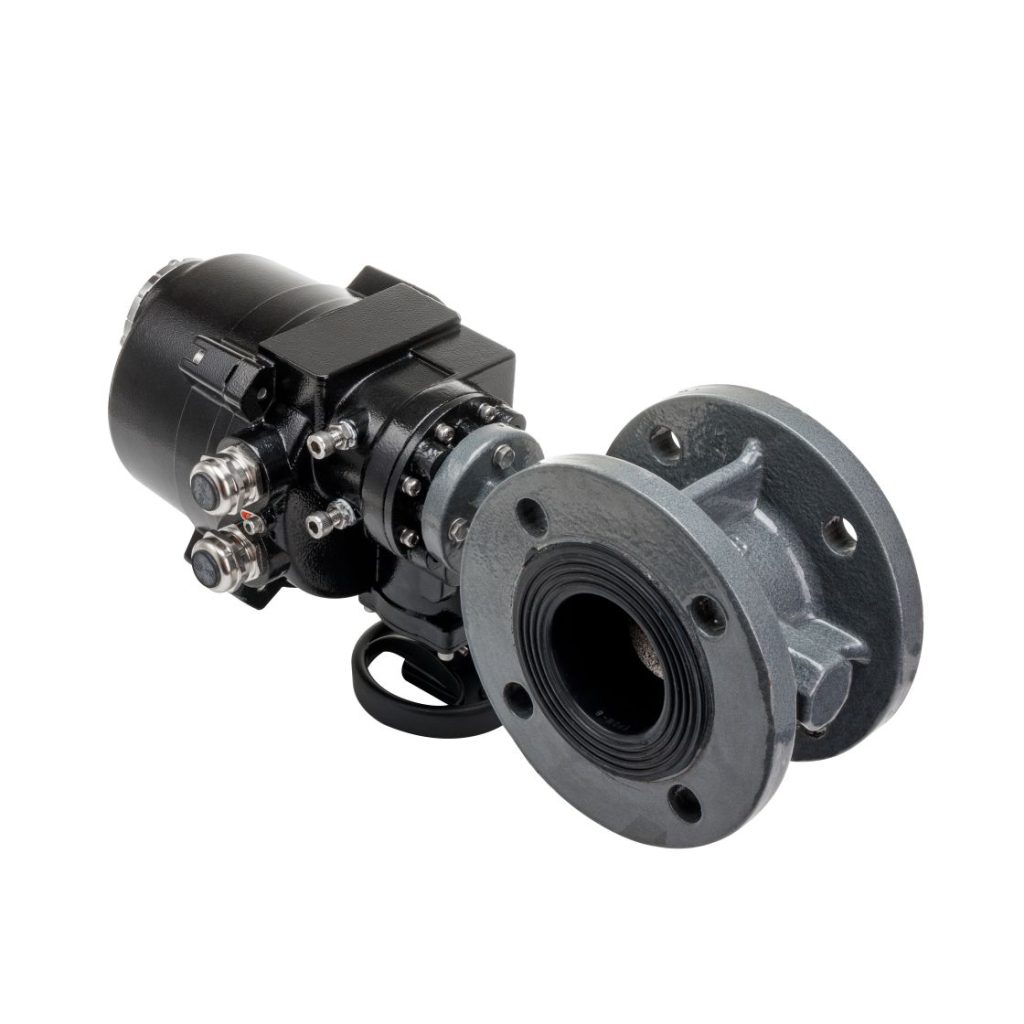
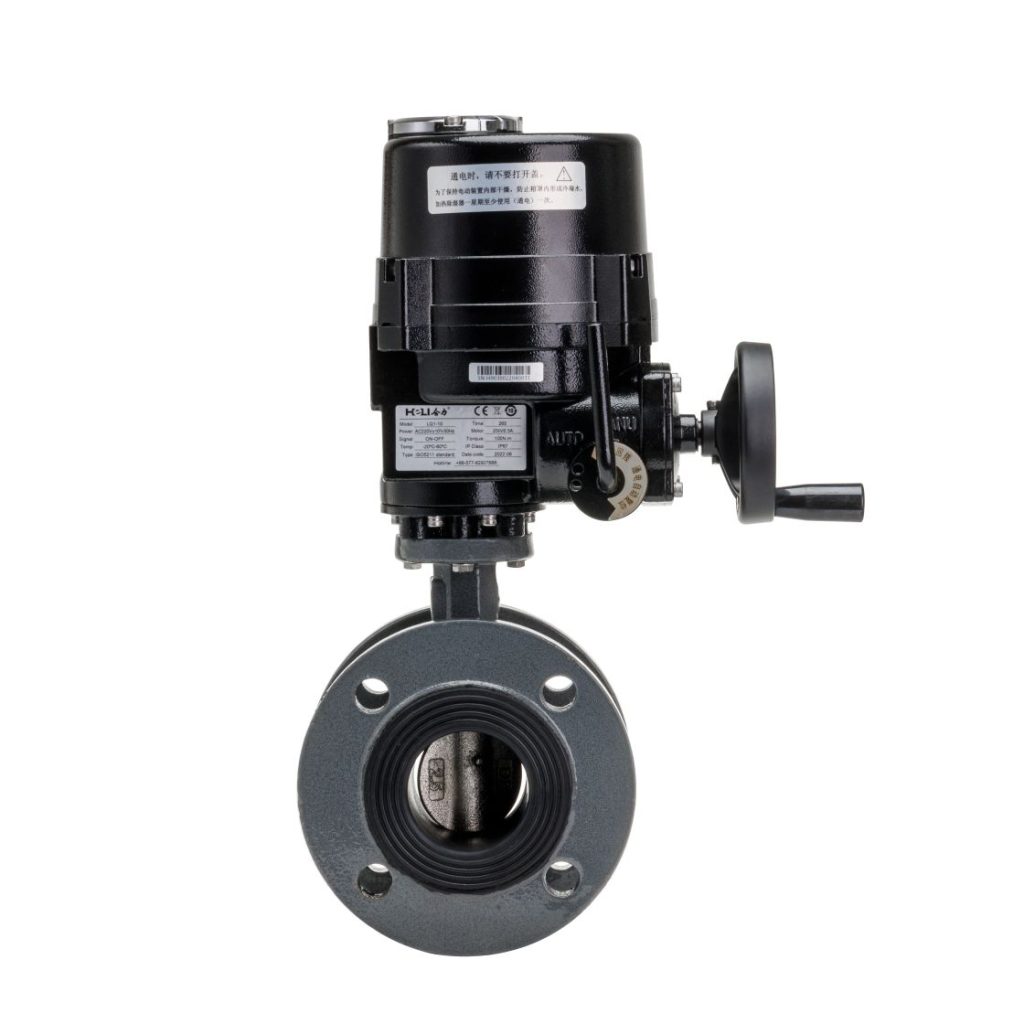
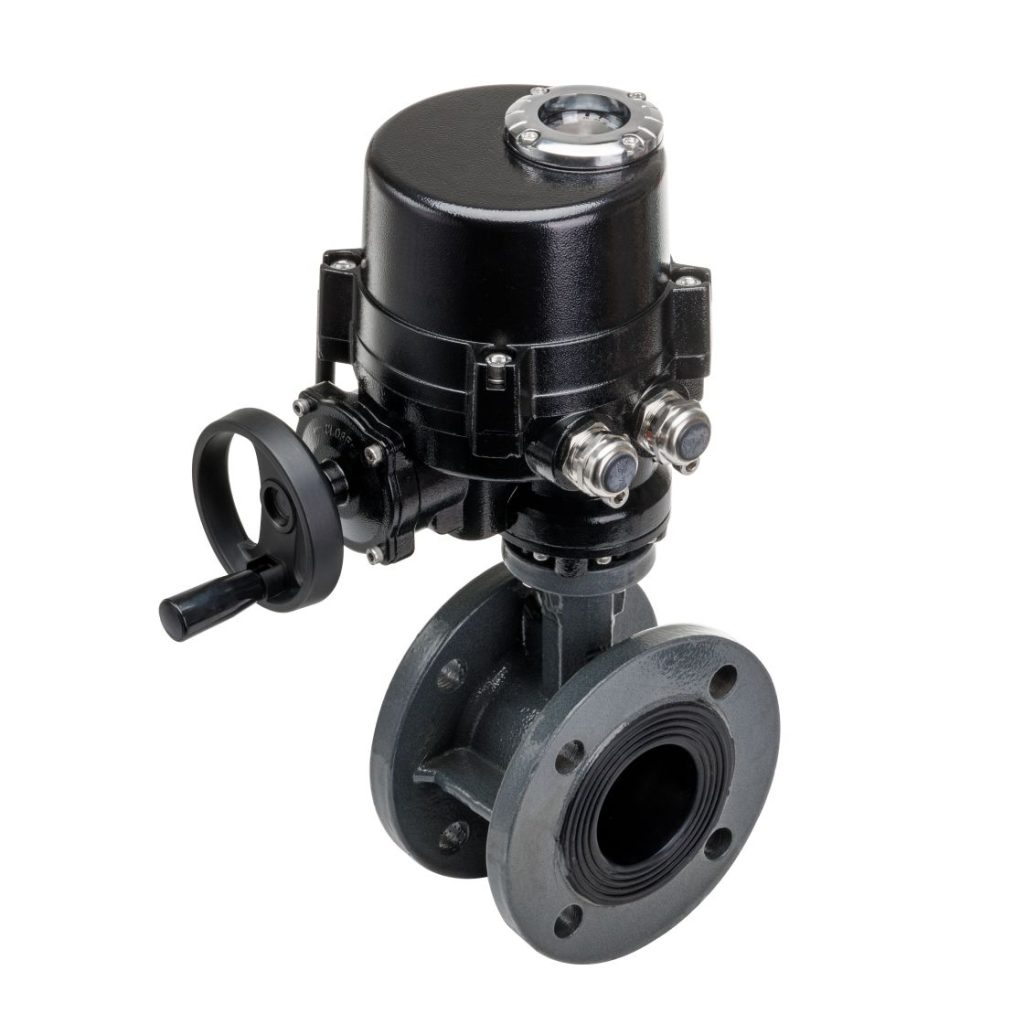
The global maritime industry has long been a major contributor to greenhouse gas emissions, making it a key sector in the push toward sustainability. As the world seeks to transition to cleaner energy sources, hydrogen energy has emerged as a promising alternative fuel for ships. To support this transition, innovative technologies such as the hydrogen energy marine electric ball valve are playing a pivotal role in ensuring safe and efficient hydrogen management on board vessels. This article explores the significance of the hydrogen energy marine electric ball valve, its functionality, and its role in advancing the maritime industry’s decarbonization goals.
Understanding Hydrogen Energy in Maritime
Hydrogen energy is increasingly seen as a clean and sustainable alternative to traditional marine fuels such as heavy fuel oil (HFO) and marine diesel oil (MDO). Hydrogen, when used in fuel cells or combustion engines, emits only water vapor as a byproduct, making it a zero-emission fuel source. This makes it an attractive solution for the maritime industry, which is under increasing pressure to reduce its carbon footprint in line with international climate agreements like the Paris Agreement and the International Maritime Organization’s (IMO) greenhouse gas reduction targets. However, hydrogen presents unique challenges for maritime applications. It must be stored and transported in a secure and efficient manner due to its low density and highly flammable nature. Proper regulation and control of hydrogen systems on vessels are essential for safety, making the role of valves and control systems crucial.