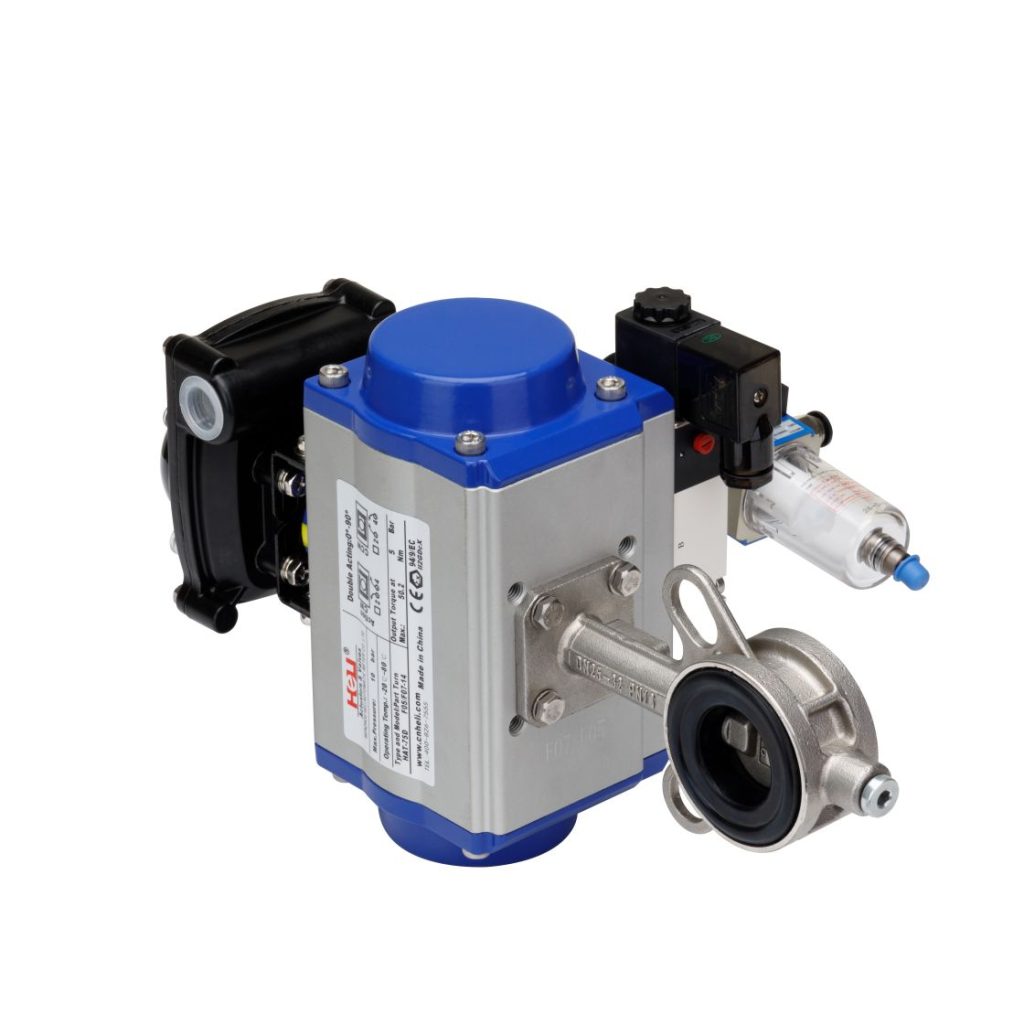
In recent years, hydrogen energy has emerged as a promising solution for clean energy, offering an eco-friendly alternative to fossil fuels. As the world transitions toward more sustainable energy sources, hydrogen’s role in power generation, storage, and fuel cells is expanding. One key component in the infrastructure of hydrogen energy systems is the Hydrogen Energy Pneumatic Butterfly Valve, a critical element in ensuring the safe, efficient, and reliable transport and distribution of hydrogen gas.
The Role of Pneumatic Butterfly Valves in Hydrogen Systems
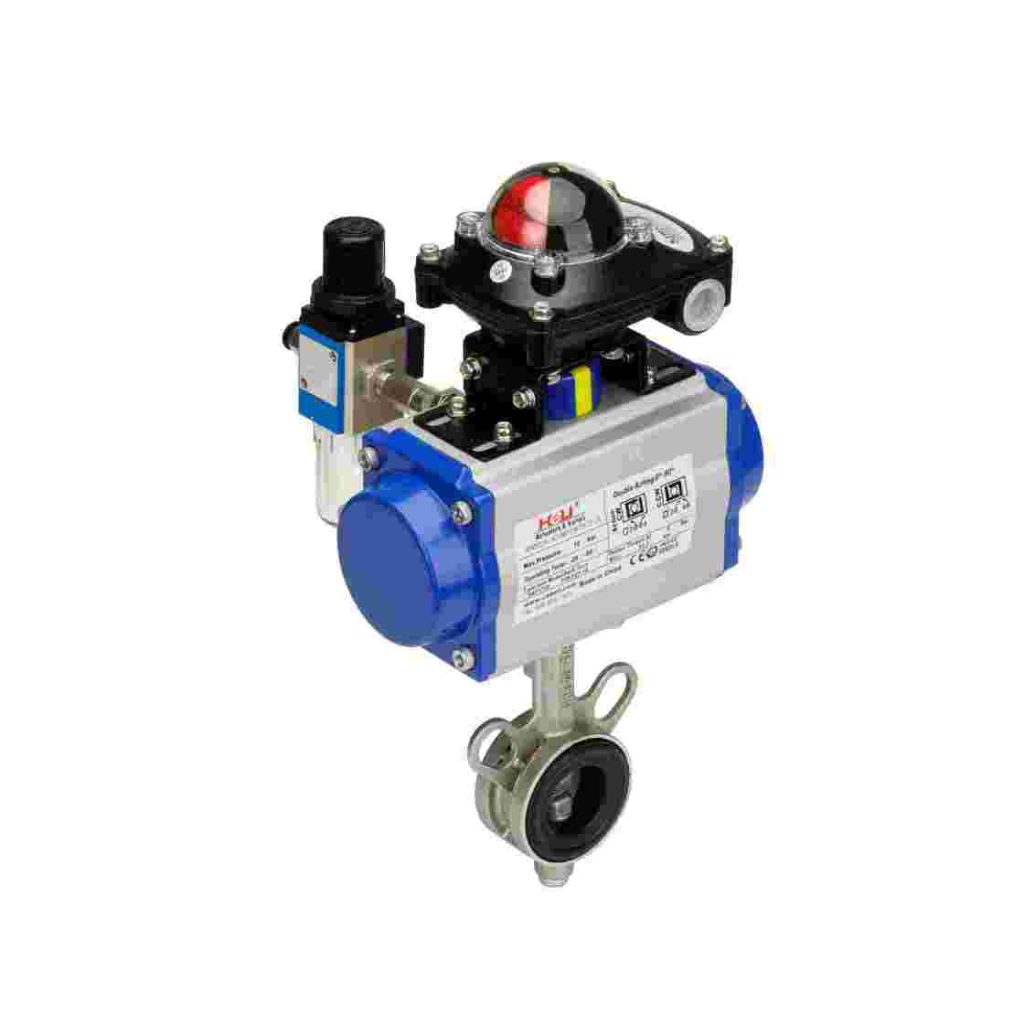
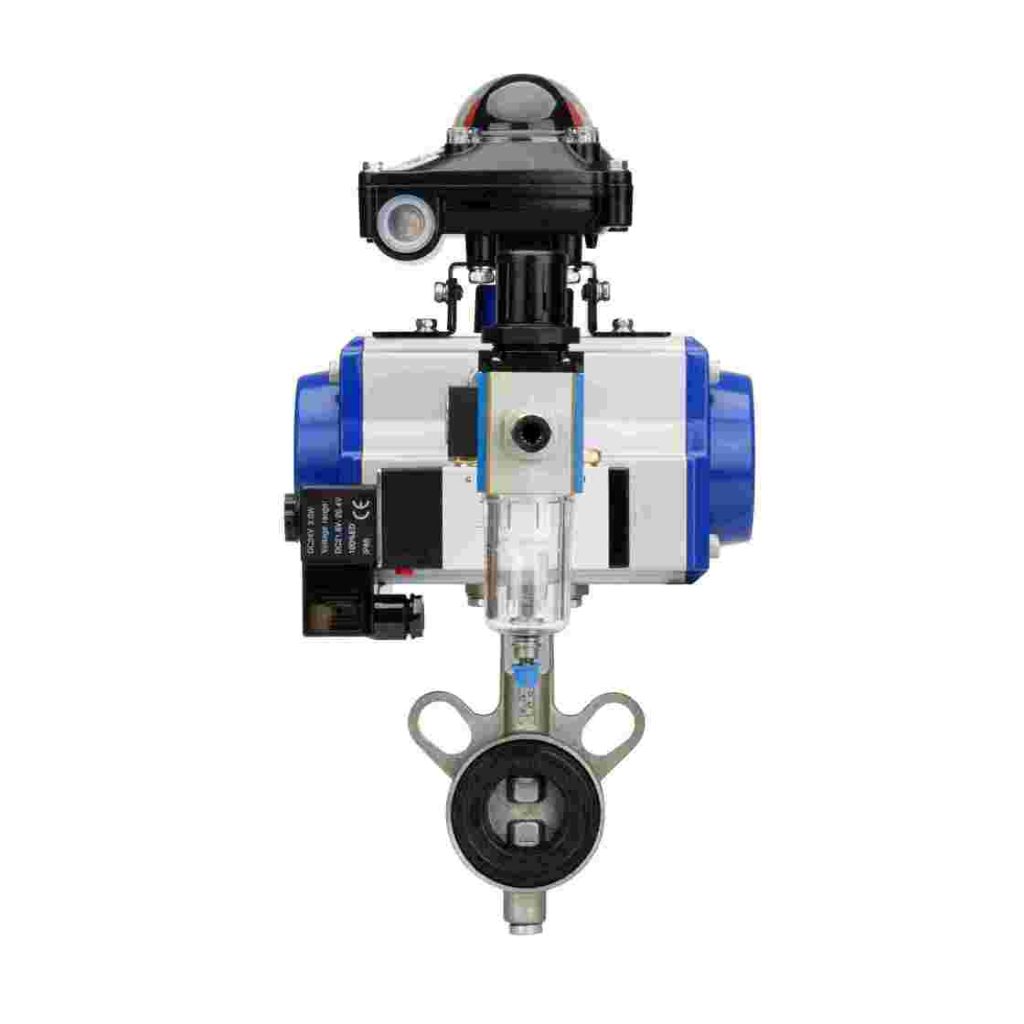
A pneumatic butterfly valve is a type of flow control valve that uses a rotating disc, or “butterfly,” to regulate the flow of gas or liquid through a pipe. The operation of the valve is driven by compressed air supplied to a pneumatic actuator, which moves the valve’s disc to open or close the flow path. In hydrogen energy applications, pneumatic butterfly valves are often used because of their simplicity, reliability, and efficiency. In a hydrogen energy system, managing the flow of hydrogen gas is crucial due to the gas’s highly flammable nature and potential to cause dangerous explosions if not handled properly. The use of pneumatic butterfly valves ensures precise flow control, minimizing the risks associated with hydrogen storage and transport. These valves are typically used in hydrogen fuel cell stations, pipelines, and storage tanks, playing an essential role in maintaining pressure, flow rate, and ensuring the system operates within safe parameters.