The emergence of hydrogen energy as a clean and sustainable alternative to traditional fossil fuels has sparked an ongoing revolution in energy production and storage. With its potential to reduce carbon emissions and play a significant role in addressing climate change, hydrogen energy is becoming an essential focus of innovation. Among the many components that make up hydrogen energy systems, the Hydrogen Energy Power Off Reset Valve plays a critical role in ensuring safety, reliability, and operational efficiency.
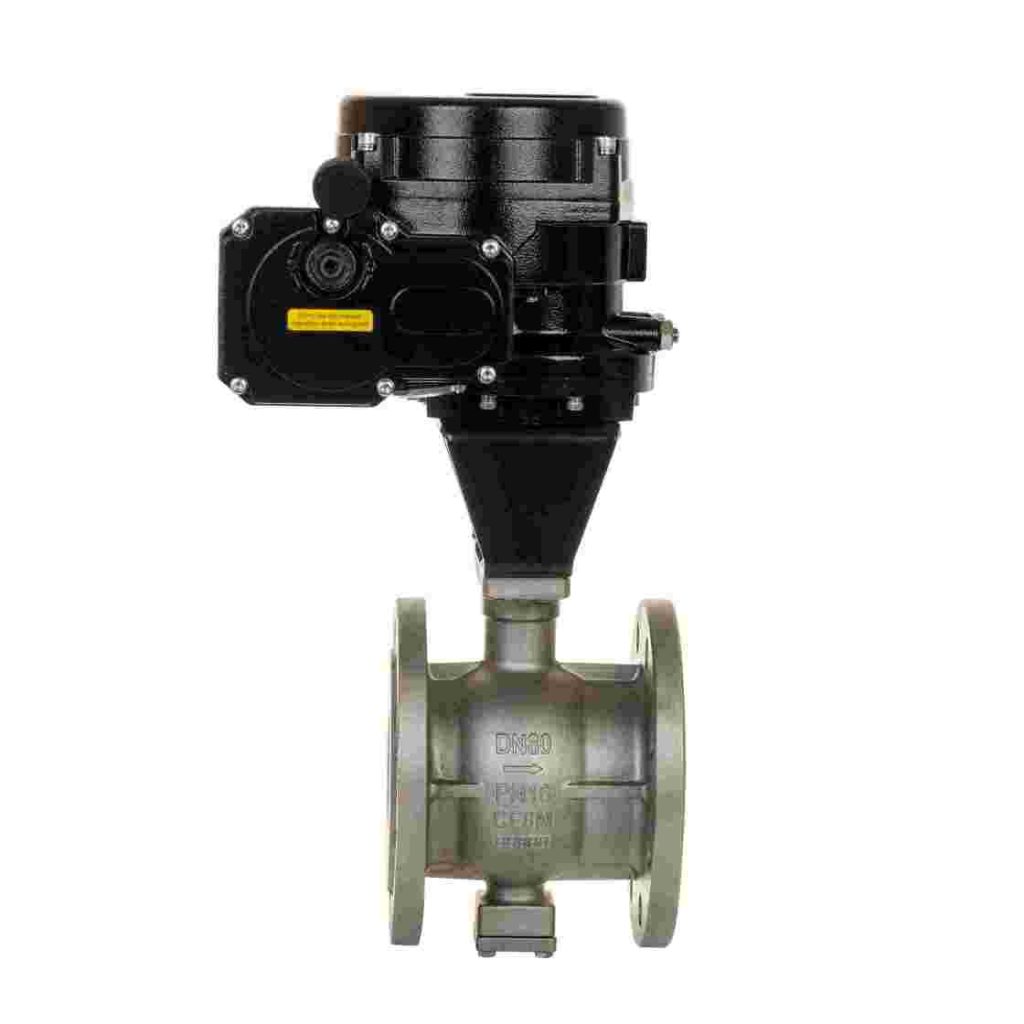
What is the Hydrogen Energy Power Off Reset Valve?
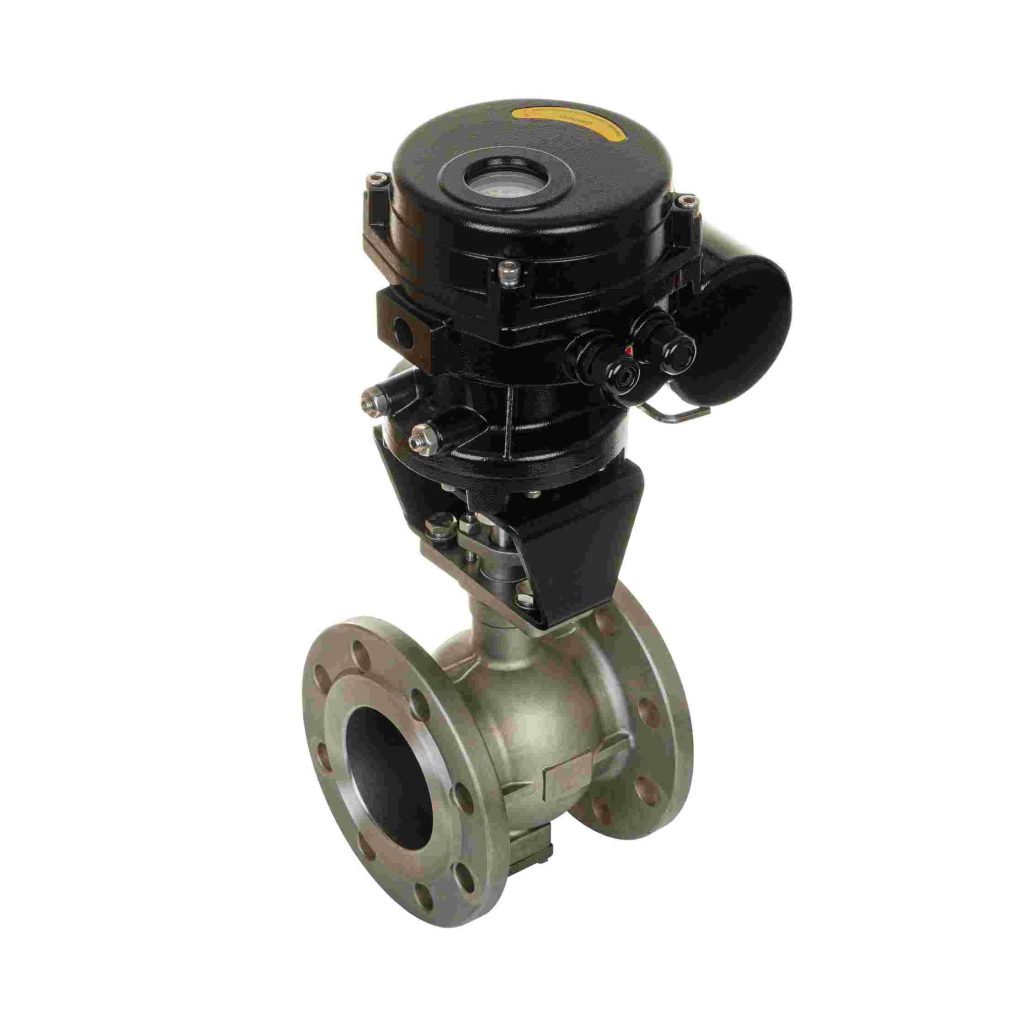
A Hydrogen Energy Power Off Reset Valve is an essential safety device used in hydrogen systems to mitigate the risks associated with the storage, transmission, and utilization of hydrogen gas. Hydrogen, being a highly flammable and volatile substance, requires specialized equipment to prevent leaks, accidents, and hazards in the event of power failure or other system malfunctions. This valve is designed to automatically shut off the flow of hydrogen gas when the system’s power is interrupted and reset the flow when the system returns to normal operation. The Working Principle The main function of the Hydrogen Energy Power Off Reset Valve is to prevent the unintentional release of hydrogen gas when the power supply to the system is interrupted. It is typically installed in hydrogen fuel cell systems, hydrogen storage tanks, or hydrogen gas pipelines. When there is a loss of power or the system experiences a failure, the valve closes automatically, preventing the release of hydrogen into the environment. Once the system regains power or resolves the issue, the valve resets itself, restoring the flow of hydrogen and resuming normal operations.