The rapid advancement of hydrogen energy technology has propelled hydrogen as a key player in the global pursuit of clean and sustainable energy solutions. As industries move towards adopting hydrogen as a fuel source, the safety and efficiency of hydrogen systems become paramount. One critical component that plays a crucial role in ensuring the proper functioning of these systems is the Hydrogen Energy Power Off Reset Valve. This article will explore the function, significance, and application of this valve, alongside its importance in the safe operation of hydrogen-powered systems.
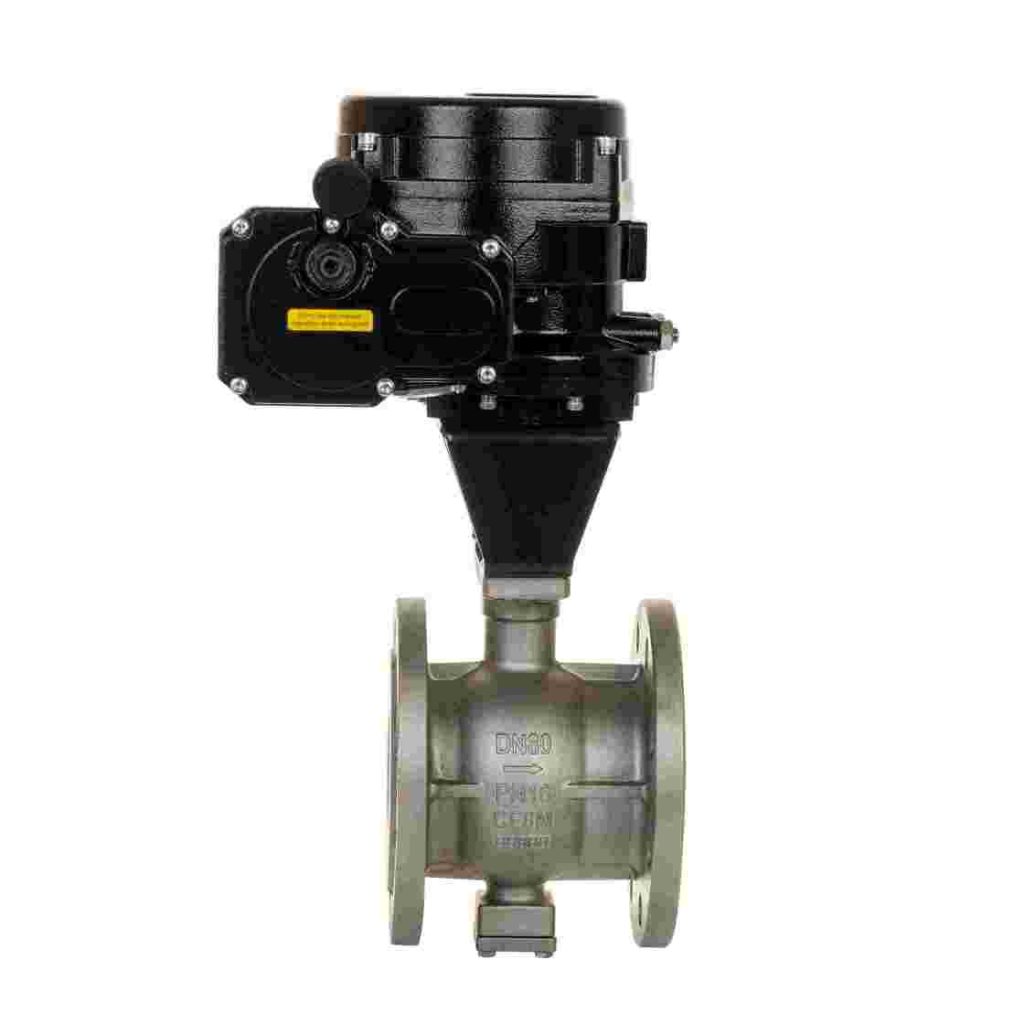
Understanding the Hydrogen Energy Power Off Reset Valve
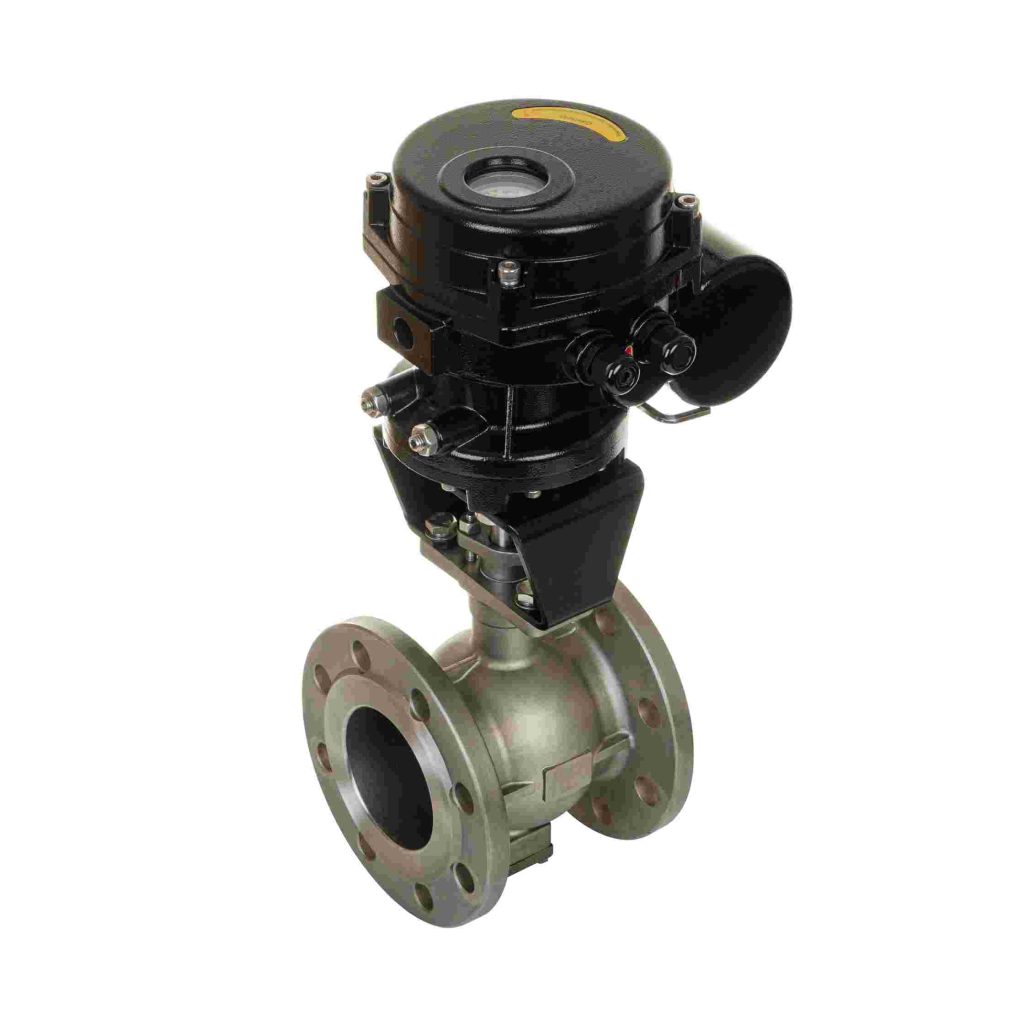
The Hydrogen Energy Power Off Reset Valve, often referred to as the power-off reset valve, is a safety feature embedded in hydrogen fuel systems. Its primary role is to monitor and control the flow of hydrogen gas within the system, especially in situations where power failure or an emergency shutdown occurs. In the event of a power failure, this valve ensures that the flow of hydrogen is properly isolated to prevent any dangerous pressure buildup or leakage. When the system is restored to operational status, the reset valve automatically reopens to allow the gas flow to resume as needed.
This reset mechanism is vital for the overall safety and functionality of hydrogen energy systems, as hydrogen is a highly flammable and potentially hazardous substance. The power-off reset valve mitigates the risks associated with hydrogen leakage or over-pressurization, both of which could result in catastrophic consequences.