The IGBT-Based HV Relay represents a significant advancement in the realm of electrical engineering, particularly in high voltage power control. As industries demand greater efficiency and reliability in power electronics, IGBT-based relays have emerged as a crucial component in applications ranging from renewable energy systems to electric vehicles and industrial power management. This article explores the working principle, benefits, and applications of IGBT-based high-voltage relays, and highlights why they are revolutionizing the way we manage and control electrical power.
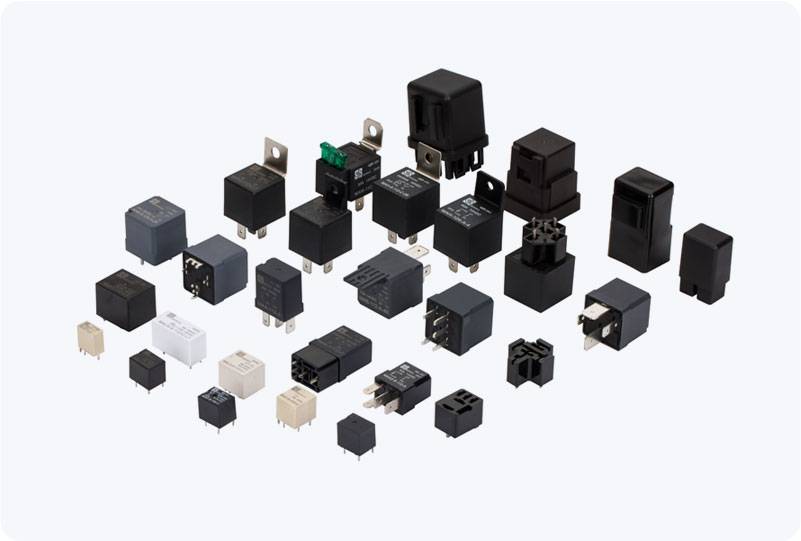
What is an IGBT-Based HV Relay? IGBT, or Insulated Gate Bipolar Transistor, is a semiconductor device that combines the advantages of both MOSFETs (Metal-Oxide-Semiconductor Field-Effect Transistors) and BJTs (Bipolar Junction Transistors). It offers high efficiency and fast switching capabilities, making it ideal for controlling high-voltage and high-current electrical systems. When integrated into a relay system, the IGBT enables precise and efficient switching of high voltage circuits, with minimal energy loss and high reliability. An IGBT-based HV relay uses the inherent properties of the IGBT to control the flow of electricity through a high voltage system. By modulating the gate signal, the relay can switch between on and off states, effectively controlling the power to the connected devices or systems. This is especially important in industries where managing high voltage or high-current electrical circuits is crucial for operational efficiency and safety.