In modern power systems, especially in high-voltage applications, the need for efficient, reliable, and durable switching devices is critical. One of the most significant advancements in this field has been the development of the IGBT-based high-voltage (HV) relay. This technology combines the advantages of Insulated Gate Bipolar Transistor (IGBT) with the functionality of a relay, offering a powerful solution for high-voltage direct current (HVDC) transmission, power protection, and switching. This article will explore the working principle, advantages, and applications of IGBT-based HV relays, highlighting their essential role in modern power systems.
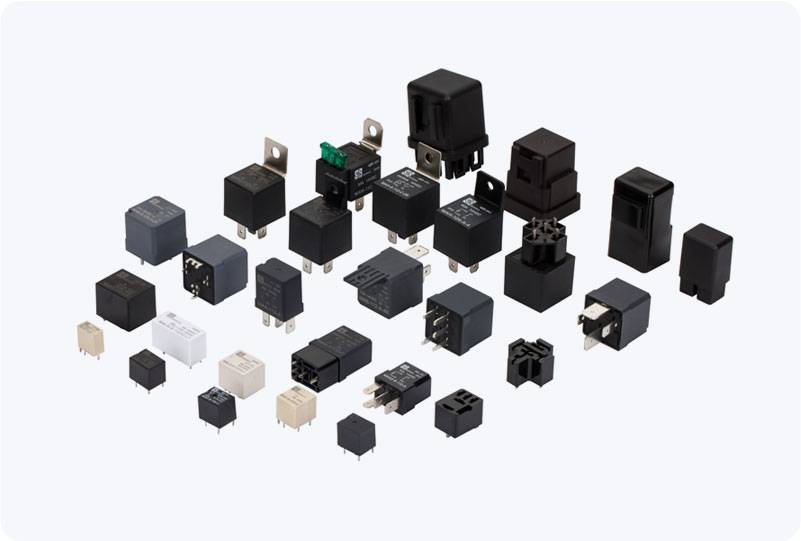
What is an IGBT-Based HV Relay? An IGBT-based HV relay is a switching device designed to control high-voltage circuits by using the IGBT, a semiconductor component capable of switching large amounts of current at high voltages. Traditionally, relays are mechanical switches that use physical contacts to open or close circuits. However, mechanical relays suffer from limitations such as slow switching speeds, limited lifespan due to contact wear, and mechanical failures over time. The introduction of IGBT-based relays eliminates these drawbacks by utilizing solid-state technology. IGBTs, which combine the fast switching properties of metal-oxide-semiconductor field-effect transistors (MOSFETs) and the high-current carrying capacity of bipolar junction transistors (BJTs), provide superior performance in high-voltage environments. These relays operate without physical contact, resulting in faster switching times and higher reliability, especially in demanding applications such as HVDC systems and power grid management.