The development of IGBT-Based HV Relays represents a significant technological advancement in the field of high-voltage power control. As the need for more efficient and reliable power switching devices continues to grow across industries such as renewable energy, automotive, and industrial automation, the IGBT-based relay has emerged as a critical component in modern power systems. This article delves into the working principles, applications, advantages, and future potential of IGBT-Based HV Relays.
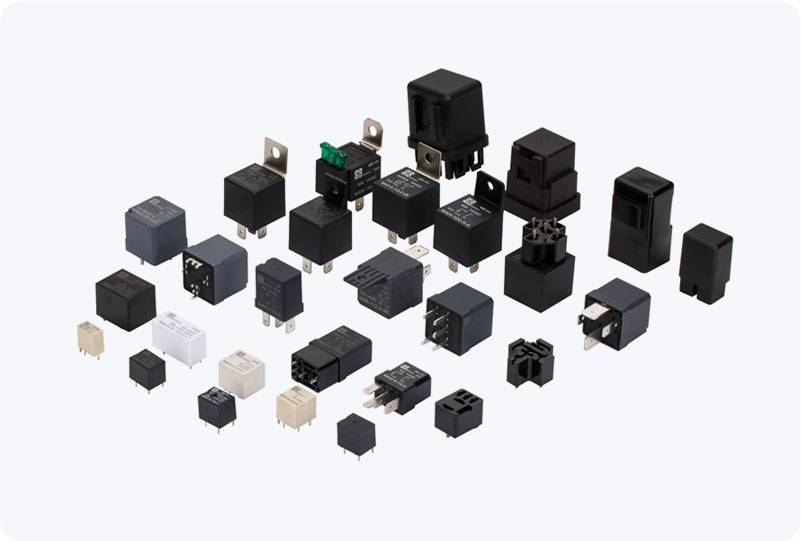
What is an IGBT-Based HV Relay? An IGBT-Based HV Relay is a power electronic device that uses Insulated Gate Bipolar Transistors (IGBTs) to control the switching of high-voltage circuits. Unlike traditional mechanical relays that rely on physical contacts to open and close the circuit, IGBT-based relays utilize semiconductor technology to perform these actions electronically. This method of switching provides significant benefits, including faster switching speeds, higher efficiency, and greater reliability. IGBTs, which are semiconductor devices combining the characteristics of both MOSFETs (Metal-Oxide-Semiconductor Field-Effect Transistors) and BJTs (Bipolar Junction Transistors), have the unique ability to handle high voltage and current with relatively low control power. This makes them ideal for switching applications in high-power environments. An IGBT-based HV relay typically includes an IGBT module and an associated control circuit that allows it to switch power between high-voltage components, such as electrical motors, transformers, and power supplies.