LOTO Safety is an essential safety protocol used to protect workers from the potential hazards of unexpected machinery start-ups during maintenance, repair, or servicing. The term LOTO stands for Lockout/Tagout, which refers to the procedures of locking and tagging machinery and energy sources to ensure they cannot be accidentally activated. This article explores the significance of LOTO safety, its implementation, and how it can prevent workplace injuries and fatalities.
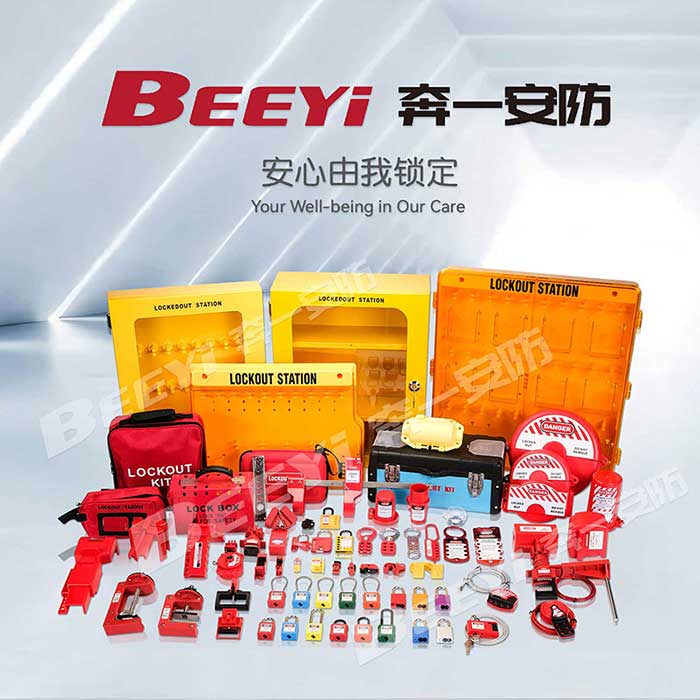
The Basics of LOTO Safety LOTO safety protocols are designed to safeguard workers who are involved in the maintenance or servicing of machines that could pose an energy hazard. The core components of the LOTO procedure are: Lockout: The physical locking of a machine’s energy-isolating device, such as a circuit breaker, valve, or disconnect switch, using a padlock to ensure that the machine cannot be restarted. Tagout: The use of a tag (or label) in conjunction with the lock, which serves as a warning that the machine is under maintenance and should not be operated. The tag contains information about the maintenance work and the person responsible for the lockout.