In industrial settings, safety is paramount, and one of the critical safety measures to ensure that machinery and equipment are properly secured during maintenance is the use of Industrial Lockout Hasps. These devices play an essential role in preventing workplace accidents and ensuring compliance with safety regulations. In this article, we will explore what Industrial Lockout Hasps are, why they are important, and how they contribute to a safer working environment.
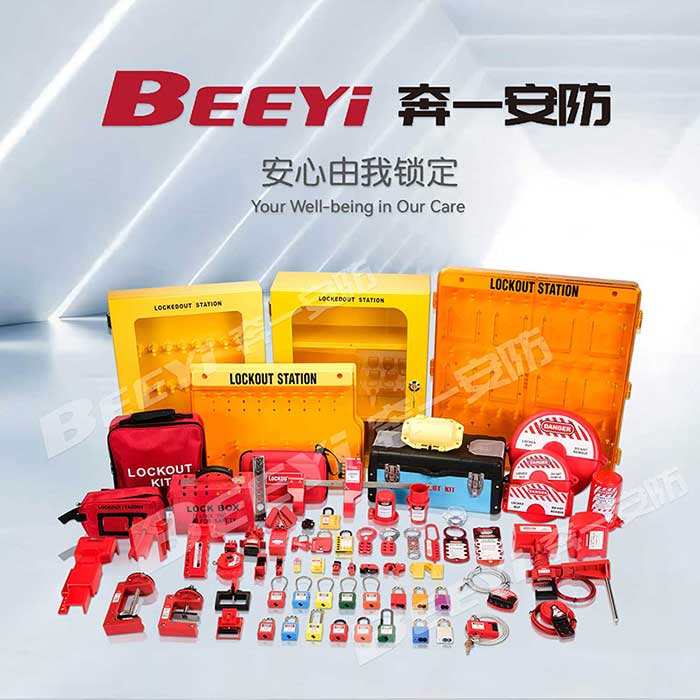
What Are Industrial Lockout Hasps? Industrial Lockout Hasps are safety devices used in Lockout/Tagout (LOTO) procedures, a practice designed to prevent the accidental release of hazardous energy while workers perform maintenance or repairs on machinery. Lockout Hasps are typically metal or insulated devices that allow multiple workers to lock out a single energy source using their individual padlocks. This ensures that no one can accidentally activate or release the energy source until all workers have finished their tasks and removed their locks. These devices are crucial for industries where complex machinery or equipment must be worked on by several technicians simultaneously, and safety is a top priority. By utilizing Lockout Hasps, employers can effectively safeguard workers from electrical, mechanical, thermal, or hydraulic hazards that could occur if the equipment is inadvertently turned on.