In any industrial setting, worker safety is paramount. Ensuring that machines and equipment are properly locked out during maintenance or repair is a critical measure to prevent accidental injuries and fatalities. One of the key tools used to ensure this safety is the Industrial Lockout Hasps. These devices are designed to be part of a comprehensive lockout/tagout (LOTO) program, which is crucial for protecting workers from hazardous energy while they perform their duties. This article explores the importance of industrial lockout hasps, their functionality, applications, and the safety benefits they offer in industrial environments.
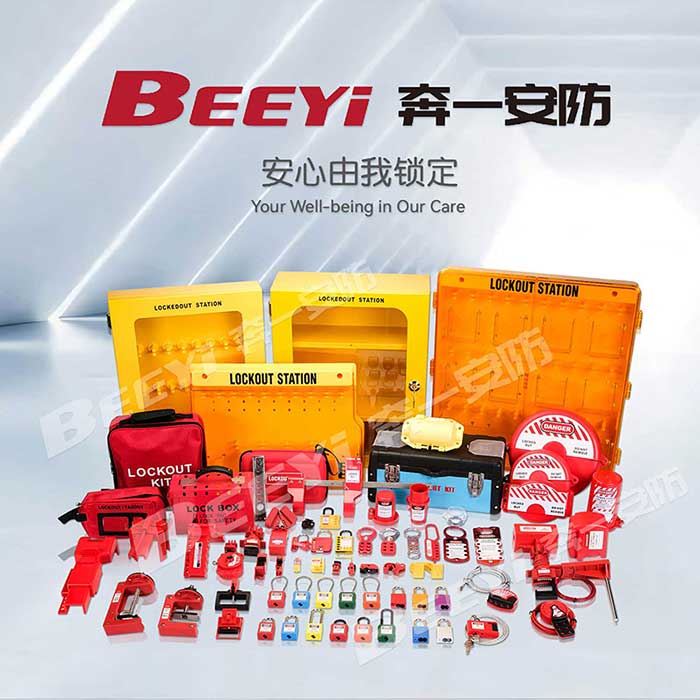
What Are Industrial Lockout Hasps? Industrial lockout hasps are safety devices that allow workers to lock out a machine or equipment during maintenance, repair, or servicing. These hasps are typically made from durable materials such as steel or aluminum and feature multiple lock holes to accommodate multiple locks. This allows several workers to secure a piece of equipment simultaneously while ensuring that no one person can unlock it until all involved parties are finished with their tasks. The primary purpose of a lockout hasp is to ensure that unauthorized personnel cannot accidentally operate or start up equipment while it is being worked on. This is especially important in environments where heavy machinery, electrical systems, or other potentially dangerous equipment are used.