In industrial environments where pneumatic systems play a crucial role, ensuring safety during maintenance or repair work is of paramount importance. Pneumatic systems, which use compressed air to operate various tools and machinery, can pose significant risks if not properly controlled. One of the most effective ways to manage these risks is by using Industrial Pneumatic Lockouts, a safety mechanism that prevents the accidental release of air pressure, ensuring that workers are protected from potential harm. This article will explore the importance of Industrial Pneumatic Lockouts, their types, applications, and the benefits they provide in maintaining a safe working environment.
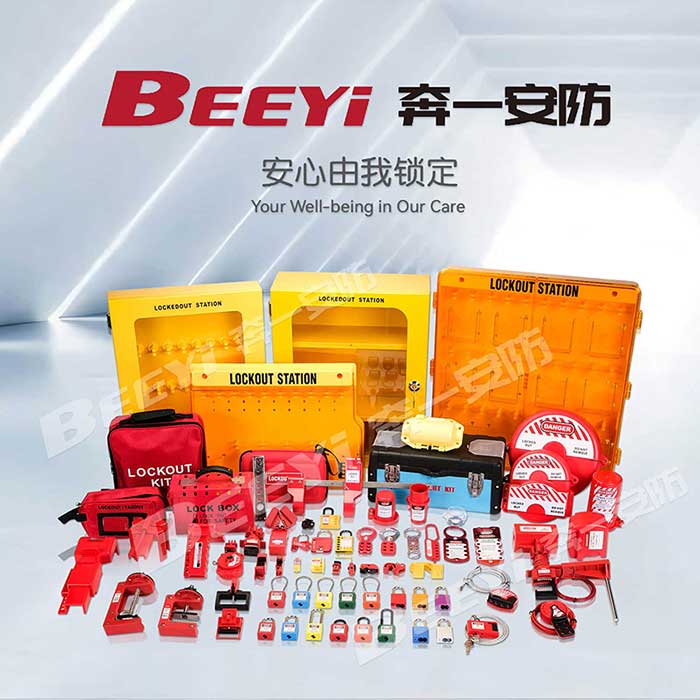
What are Industrial Pneumatic Lockouts? Industrial Pneumatic Lockouts are safety devices used to isolate or lock out pneumatic systems to prevent the release of compressed air. These lockouts are typically installed on valves, regulators, or other key control components of a pneumatic system. They are designed to ensure that air cannot flow through the system while maintenance or repairs are being conducted. Locking out a pneumatic system guarantees that the system cannot be accidentally activated, thereby preventing injuries to workers who may be interacting with the equipment. Why are Pneumatic Lockouts Important?