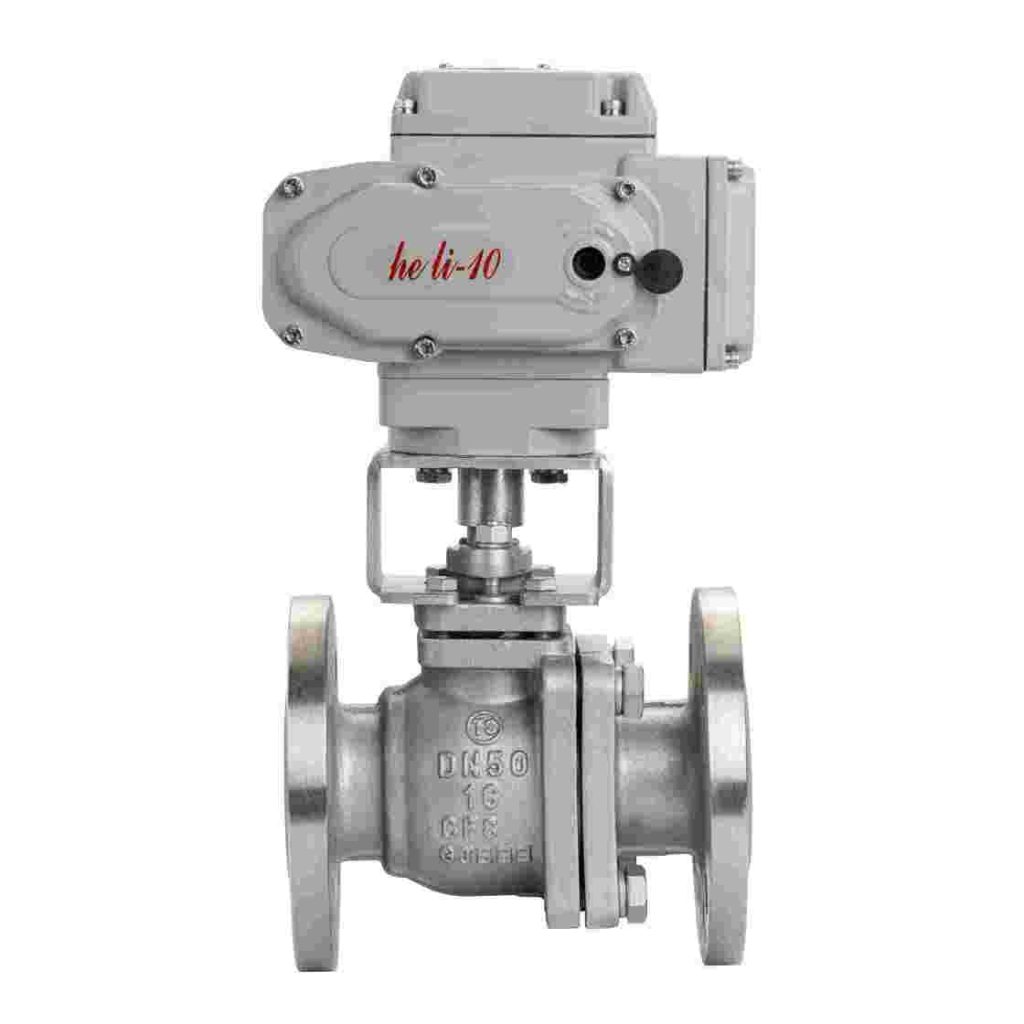
The evolution of valve technology has led to the development of advanced solutions that address specific challenges in various industries. One such innovation is the Lithium Battery Electric Anti-Corrosion Ball Valve—a critical component in fluid control systems that need to operate in harsh environments, especially those involving corrosive substances. This article explores the unique features and benefits of these valves, the role of lithium batteries, and their applications across diverse industries.
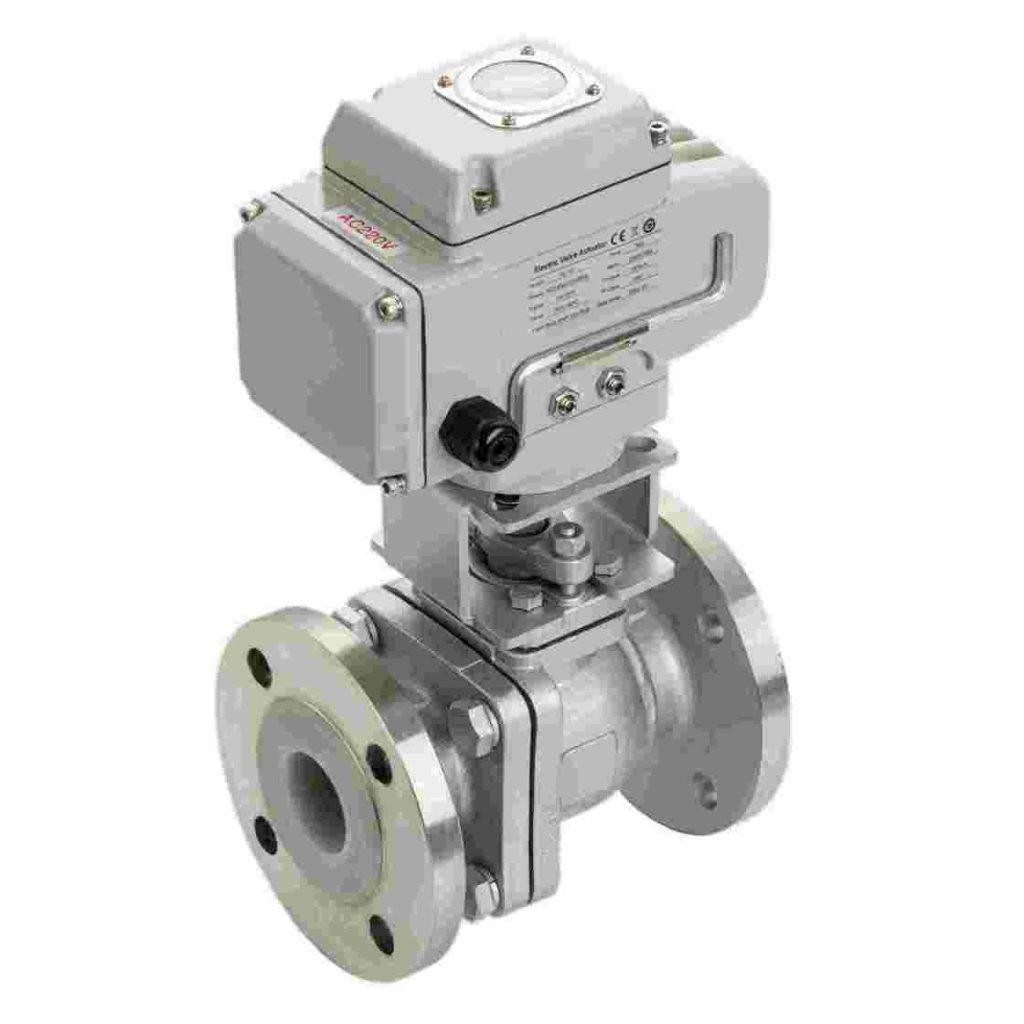
What is a Lithium Battery Electric Anti-Corrosion Ball Valve?
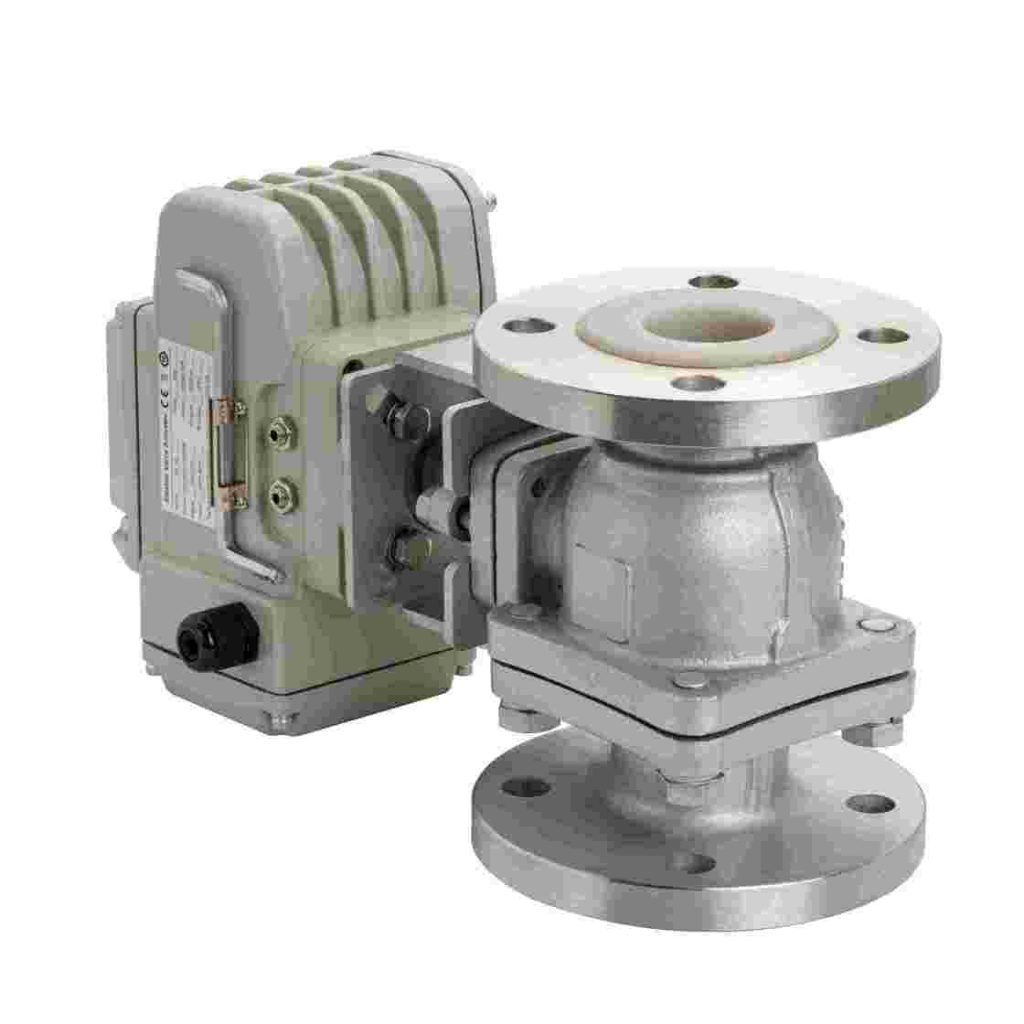
A Lithium Battery Electric Anti-Corrosion Ball Valve combines the functionality of a ball valve with electric operation powered by lithium battery technology. Ball valves, known for their simple yet effective mechanism, use a spherical disc (the ball) with a hole through the center to control the flow of liquids or gases. When the hole aligns with the valve’s body, the flow is open; when rotated 90 degrees, the hole is perpendicular to the flow path, thereby stopping the flow. What sets the lithium battery electric version apart is the use of an electric actuator, which is powered by lithium batteries. This design eliminates the need for external power sources, making the valve ideal for remote and off-grid locations where conventional power infrastructure might not be available.