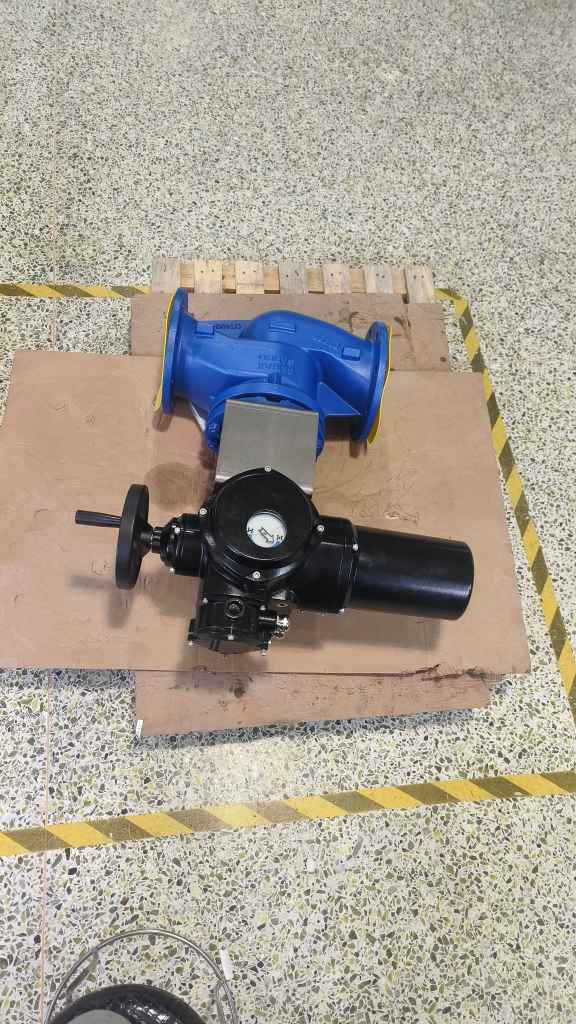
In today’s world of electric vehicles (EVs) and renewable energy systems, lithium-ion batteries have become the backbone of sustainable energy solutions. These batteries offer high energy density and long cycle life, but their performance and safety depend heavily on the management of temperature, voltage, and overall battery health. One of the critical components in ensuring the safe operation of lithium-ion batteries is the Lithium Battery Electric Shut-Off Valve. This valve plays a vital role in preventing overheating, managing thermal conditions, and ultimately ensuring the longevity of the battery systems.
What is a Lithium Battery Electric Shut-Off Valve?
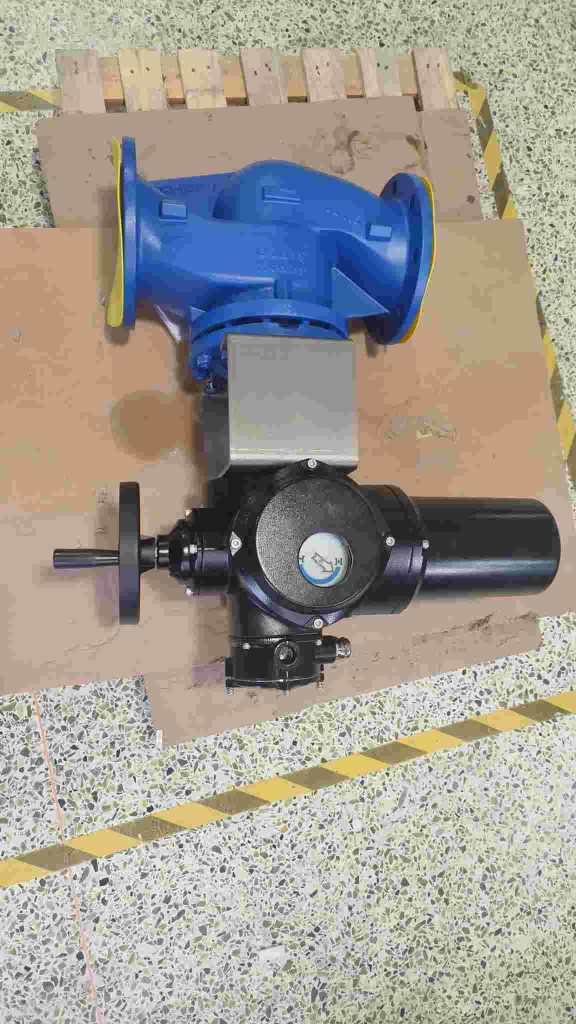
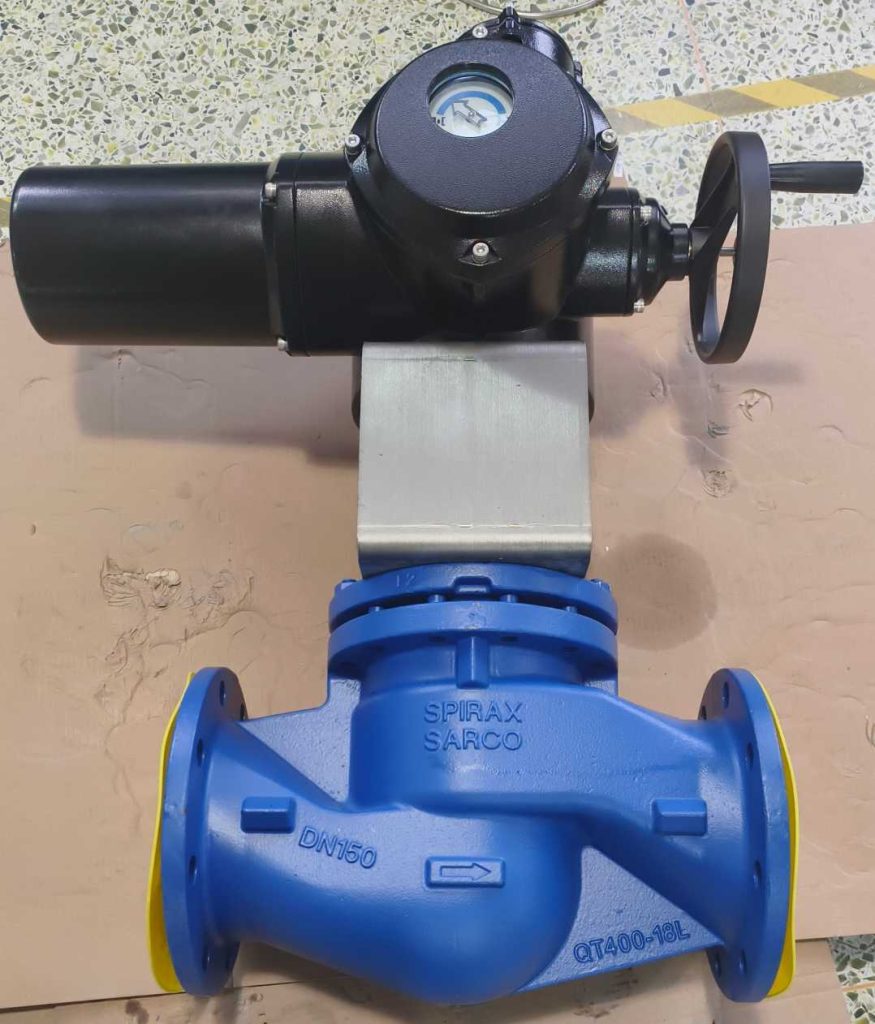
A Lithium Battery Electric Shut-Off Valve is an electrically controlled valve used in battery management systems (BMS) to regulate the flow of coolant or thermal management fluids in and around the battery. Its primary purpose is to protect the battery from temperature extremes that could lead to damage or safety hazards. Lithium-ion batteries, when exposed to high temperatures, can suffer from performance degradation or even catastrophic failures such as thermal runaway, which can lead to fire or explosion. The electric shut-off valve helps prevent such incidents by controlling the cooling systems. It ensures that the battery stays within safe temperature limits, thus improving both performance and safety. These valves are controlled by electronic signals sent from sensors in the battery or the vehicle, making them highly responsive to the changing conditions inside the system.