Lockout Hasps play a crucial role in industrial safety, providing an effective method to secure machinery and equipment during maintenance or repair. Their use helps prevent accidental machine startups that could result in injuries, ensuring that only authorized personnel can operate the machinery. This article explores the application of Lockout Hasps, the safety standards they meet, and how they contribute to maintaining a safe work environment.
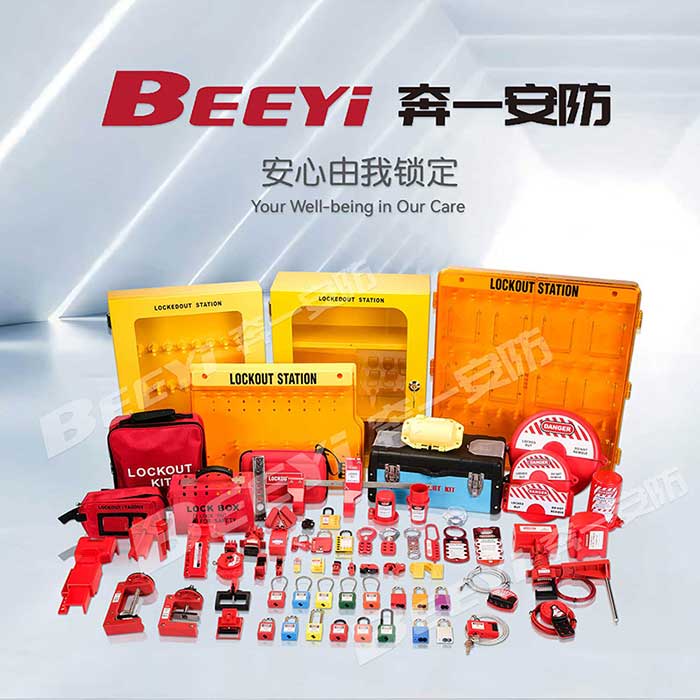
What is Lockout Hasps? Lockout Hasps are safety devices designed to facilitate the process of energy isolation during maintenance and servicing activities. These devices are typically metal or high-strength plastic and consist of a locking mechanism with multiple slots to accommodate individual padlocks. This allows multiple workers to lock out a single piece of equipment, ensuring that no one can operate the machine until all workers have removed their locks. The concept is fundamental to the Lockout/Tagout (LOTO) process, which is a regulatory safety standard aimed at protecting workers from the dangers of accidental machine start-ups.