Lockout/tagout (LOTO) procedures are essential for protecting workers from hazardous energy sources during maintenance and repair work. One of the key components of these procedures is the lockout hasp, a simple but highly effective tool that ensures machinery or equipment cannot be inadvertently operated while maintenance is underway. This guide will walk you through the installation process of lockout hasps, outlining the necessary steps to ensure that your workplace adheres to safety standards.
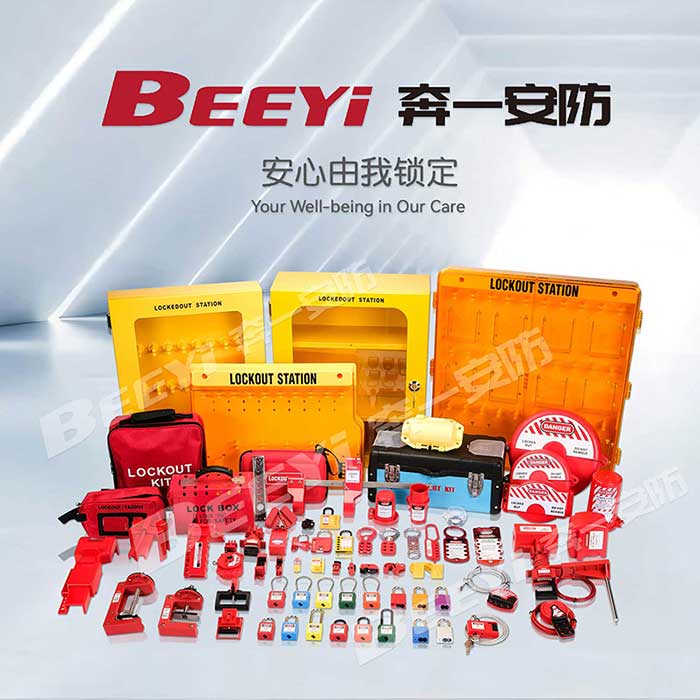
What is a Lockout Hasp? A lockout hasp is a safety device designed to secure a lock on an energy-isolating device, such as a circuit breaker or valve. It allows multiple workers to apply their individual locks to a single hasp, effectively ensuring that no one can start the machinery until all workers have removed their locks. This collective approach prevents the possibility of someone inadvertently starting the machine while maintenance work is being carried out, safeguarding all involved personnel. Why Use Lockout Hasps? The main purpose of lockout hasps is to facilitate safe work practices by preventing the release of hazardous energy. Whether you’re dealing with electrical, mechanical, hydraulic, or pneumatic energy, a lockout hasp ensures that no unauthorized personnel can operate equipment while it’s being serviced. Furthermore, it promotes accountability, as each worker must apply and remove their own lock from the hasp. This significantly reduces the risk of accidents caused by human error.