Lockout/Tagout (LOTO) procedures are critical safety protocols used in industrial environments to prevent accidental equipment start-ups during maintenance or repair work. One of the most fundamental components of these procedures is the LOTO padlock, a specially designed lock used to isolate energy sources and ensure that machinery cannot be operated while workers are performing their tasks. In this article, we will explore the importance of LOTO padlocks, their key features, and their role in maintaining workplace safety.
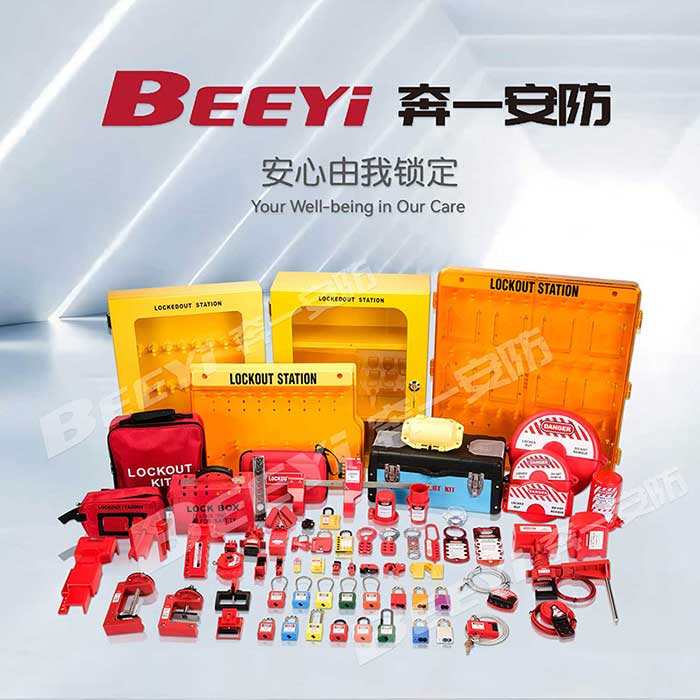
The Importance of LOTO Padlocks in Industrial Safety Industrial machinery and equipment often operate under dangerous conditions, powered by electrical, mechanical, hydraulic, or pneumatic energy. When workers are performing maintenance, cleaning, or repairs on such machines, there is a significant risk of injury if the equipment is accidentally activated. For this reason, LOTO procedures have been established as a means of controlling hazardous energy during maintenance activities. LOTO padlocks play a critical role in these procedures by physically locking out energy sources. These locks ensure that only the individual performing the work has the ability to unlock and restart the equipment. This reduces the chances of inadvertent machine startup, which could result in serious injury or even fatalities.