Low-power relays have become an essential component in modern electrical and electronic systems, especially with the increasing demand for energy-efficient and compact solutions in various applications. These devices offer a unique blend of functionality, reliability, and energy conservation, making them ideal for use in systems where power consumption needs to be minimized without compromising on performance.
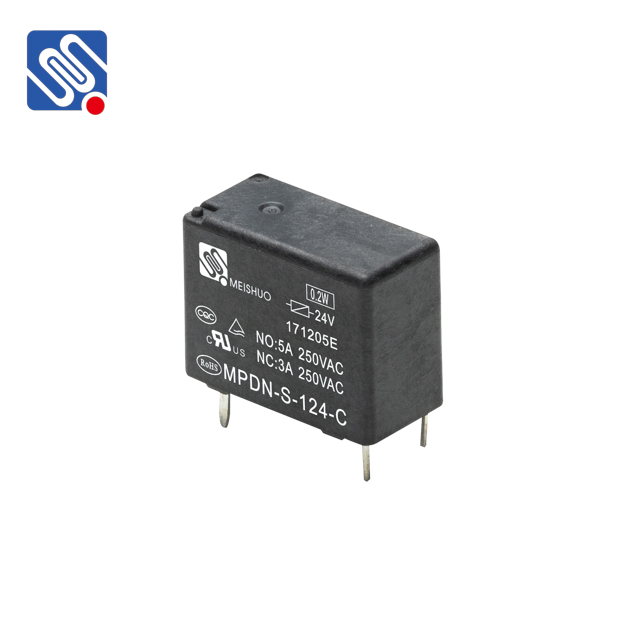
What is a Low-power Relay? A low-power relay is a type of electrical relay that operates with significantly reduced power compared to conventional relays. It is designed to switch higher power circuits using a small control signal. Typically, these relays require less voltage and current to activate, resulting in lower energy consumption. The main function of a low-power relay is to control the flow of current in a high-power circuit while being activated by a low-power control signal, often in the form of a voltage or current input. Key Features of Low-power Relays Energy Efficiency: One of the most important characteristics of low-power relays is their low energy consumption. These relays are designed to work with a minimal amount of energy, which helps reduce the overall power consumption of the system. This makes them ideal for applications such as smart home devices, sensors, and battery-powered systems.