Low Voltage Solenoid Valves have become an integral part of numerous industries, playing a pivotal role in controlling fluid flow in systems that require precise and reliable operation. These valves operate through the use of electromagnetic force to control the movement of a valve mechanism. With the growing demand for energy-efficient and compact systems, the use of low voltage solenoid valves has expanded significantly. In this article, we will explore the functionality, types, and applications of low voltage solenoid valves, along with important considerations for their proper use.
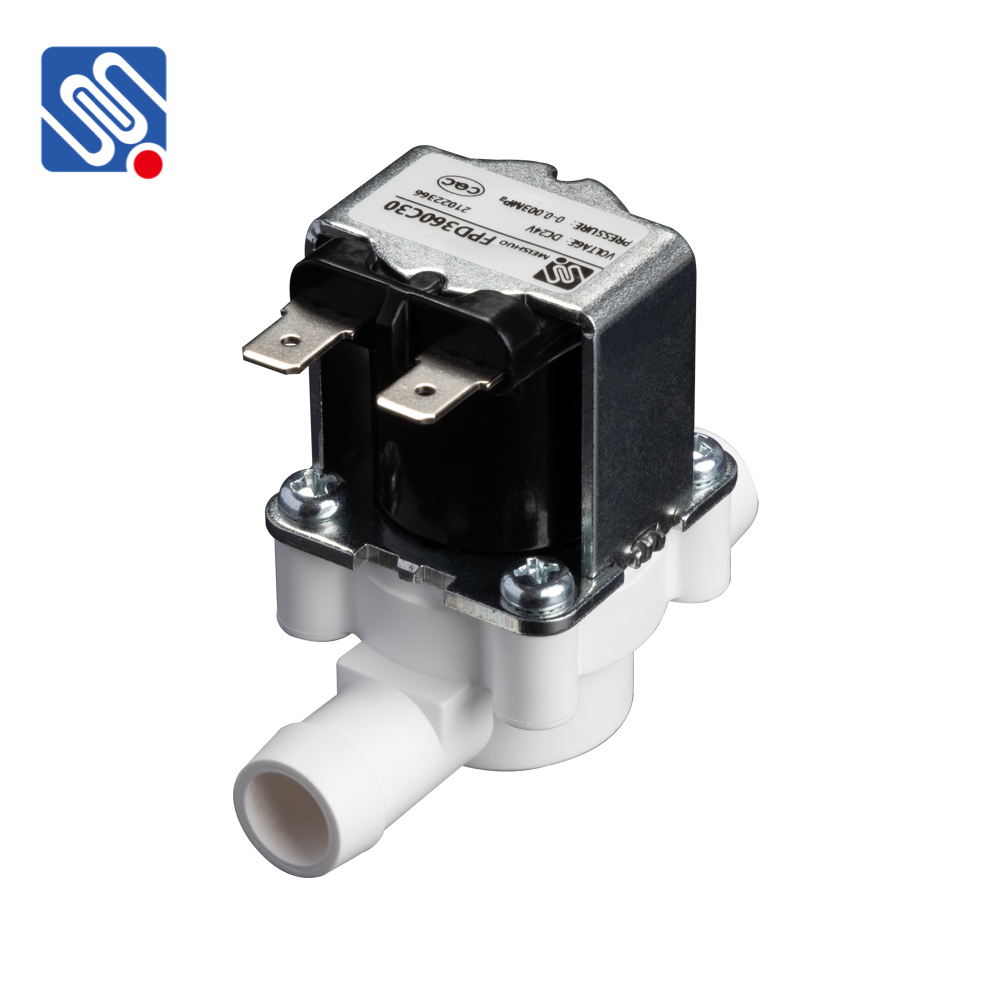
1. What is a Low Voltage Solenoid Valve? A Low Voltage Solenoid Valve is a type of electromechanical valve that controls the flow of liquids or gases within a system using an electromagnetic coil. Unlike traditional valves that require manual operation, these valves are operated automatically when an electric current passes through the solenoid coil. The coil generates a magnetic field, which moves the valve’s core, either opening or closing the flow path. The key distinguishing feature of a low voltage solenoid valve is its operating voltage, which typically ranges between 12V and 48V DC or AC. This makes them safer, more energy-efficient, and suitable for smaller applications, such as household appliances, HVAC systems, and small-scale industrial processes.