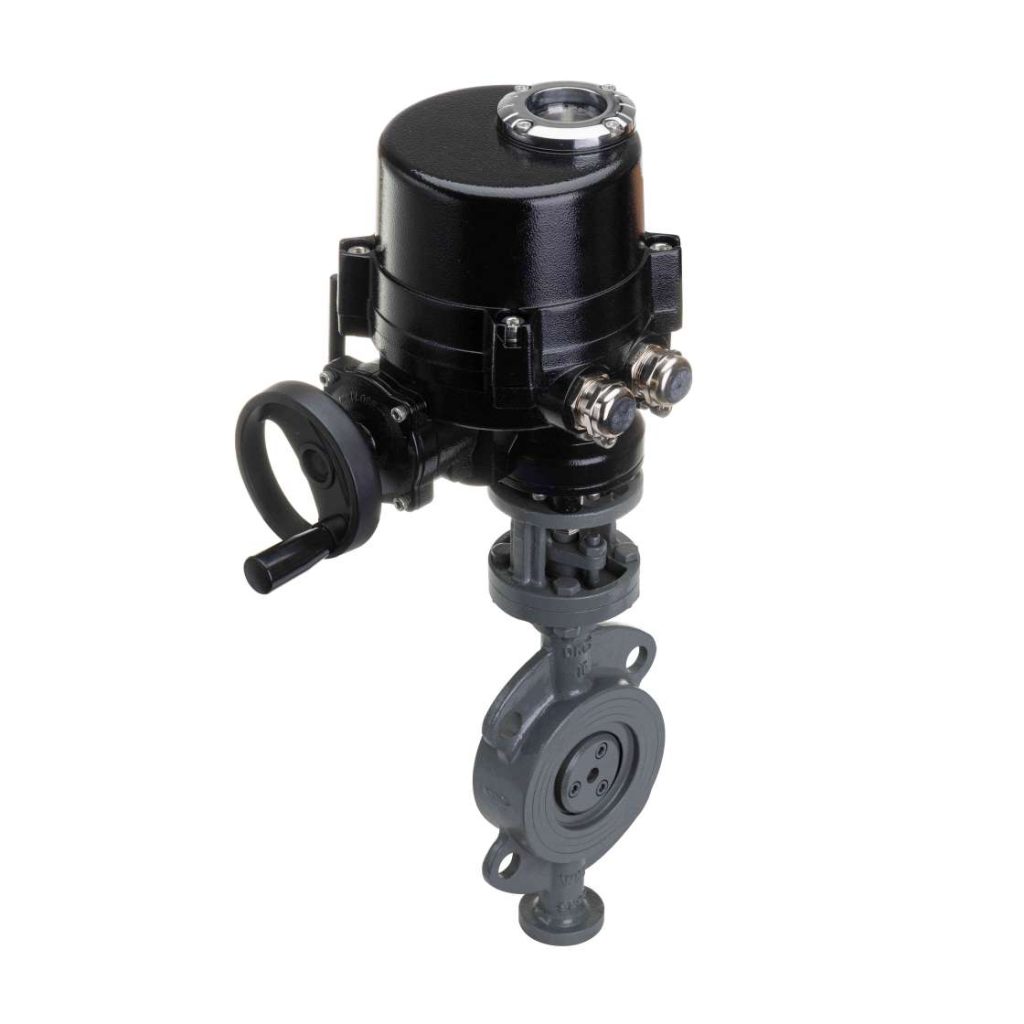
Marine electric butterfly valves are essential components in the fluid control systems of ships and offshore platforms. They are designed to manage the flow of liquids, gases, and other media, ensuring the efficient and safe operation of various systems. Combining the practical design of the butterfly valve with the automation and precision of electric actuators, this type of valve is favored for its reliability, space efficiency, and ease of operation. In this article, we will explore the features, benefits, and applications of marine electric butterfly valves, highlighting their significance in modern maritime and offshore industries.
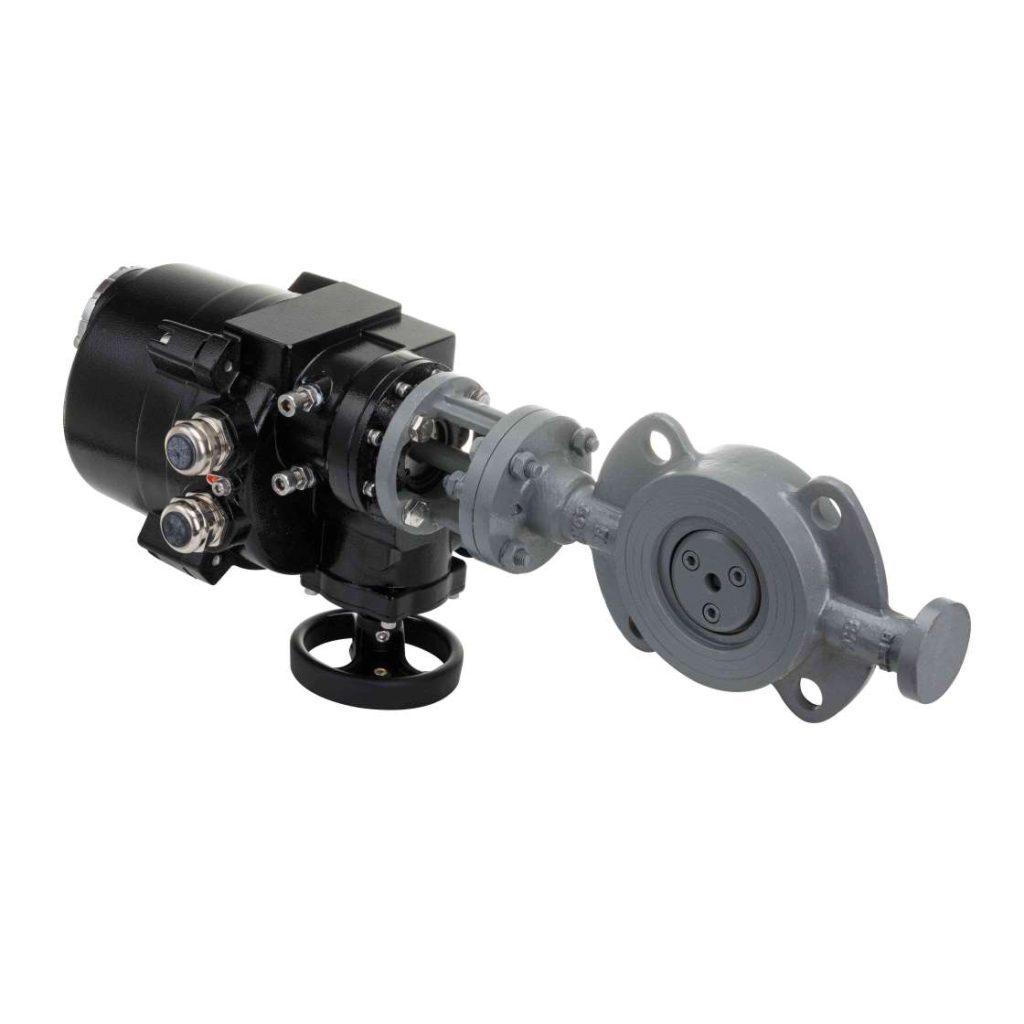
1. What is a Marine Electric Butterfly Valve?
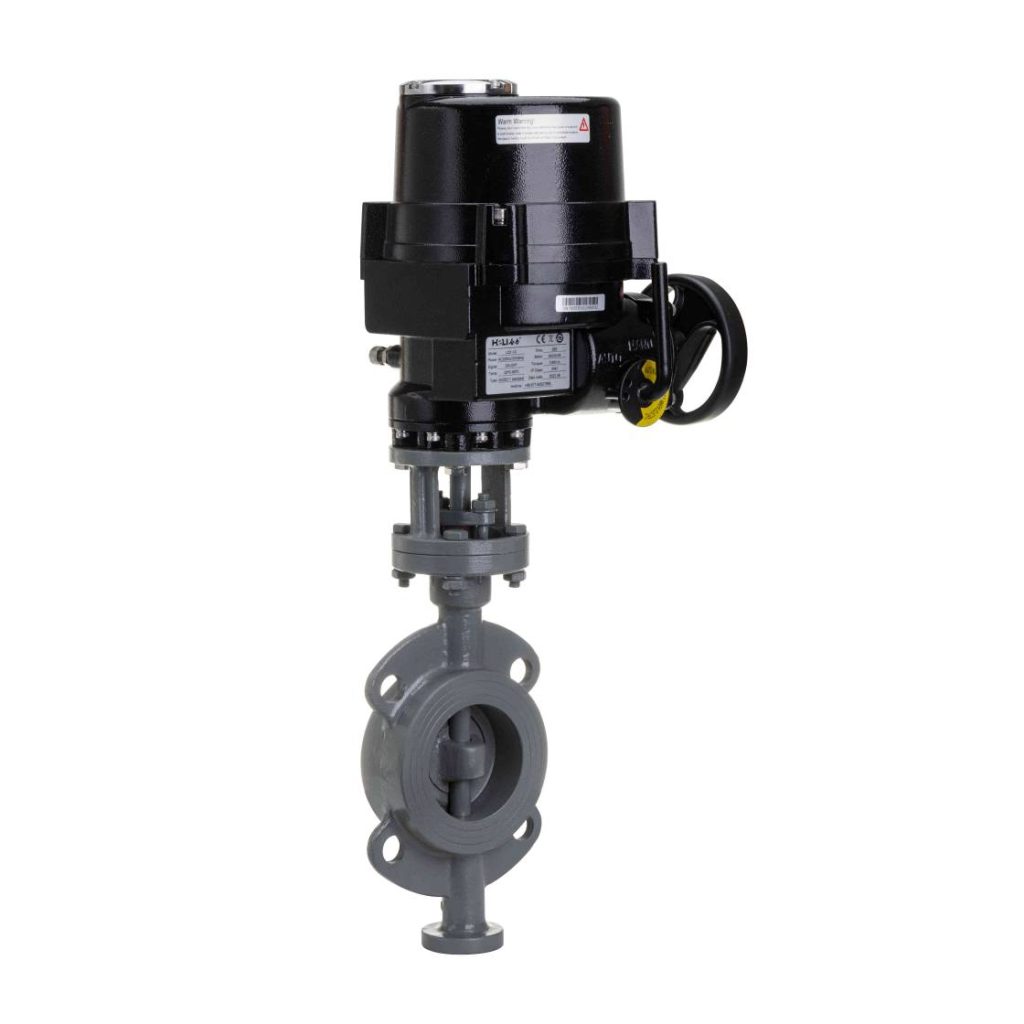
A marine electric butterfly valve is a type of valve that uses a rotating disc or butterfly to control the flow of fluid through a pipe. The valve consists of a circular disc, which is mounted on a shaft. When the valve is opened, the disc rotates to allow the flow of fluid; when it is closed, the disc blocks the flow. The term “electric” refers to the use of an electric actuator that controls the rotation of the valve. This electric actuator can be powered by an electric motor and is usually operated via an external control signal, which can be either manual or automated. The electric actuator allows for precise control over the valve’s position, offering more flexibility and accuracy than manual or pneumatic systems. These valves are typically used in systems where automated operation and remote control are crucial.