As the world shifts towards sustainable transportation, the rise of New Energy Vehicles (NEVs) is playing a crucial role in reducing carbon emissions and improving energy efficiency. Among the many components that contribute to the functionality of an NEV, relays—specifically New Energy Vehicle relays—are indispensable. These devices, which manage electrical circuits within a vehicle, are vital in ensuring the smooth operation of both the high-voltage powertrain and low-voltage auxiliary systems. In this article, we explore the importance of New Energy Vehicle relays, their applications, and the challenges they address in electric mobility.
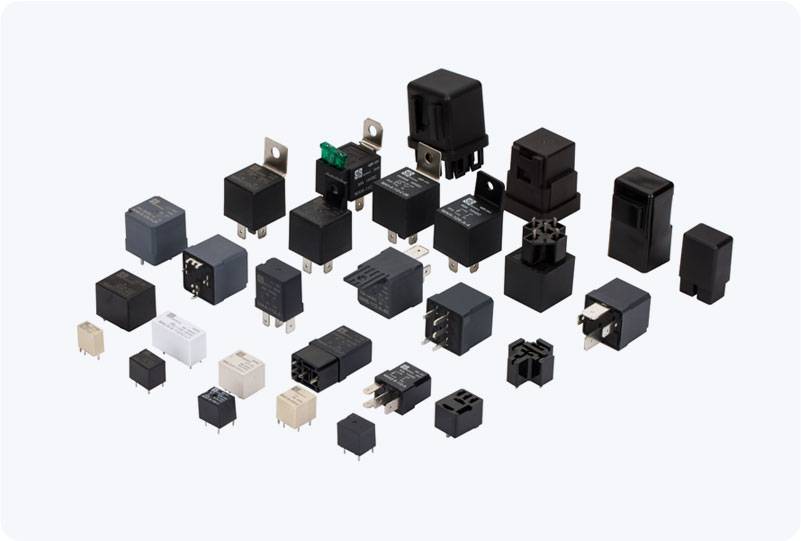
The Role of New Energy Vehicle Relays A relay is an electrically operated switch that allows circuits to be controlled by low-power signals, while also enabling higher power to be managed safely. In the context of New Energy Vehicles, relays are used to control power flow, protecting key components like the battery, motor, and charging system. Their role is particularly significant because NEVs—especially Electric Vehicles (EVs) and Plug-in Hybrid Electric Vehicles (PHEVs)—require precise electrical management to ensure both performance and safety. High-Voltage Relay: The primary function of a high-voltage relay is to manage the connection between the vehicle’s high-voltage battery and its electric motor. These relays are essential for controlling the flow of power to the motor, and they ensure that the battery is only connected when necessary. When the vehicle is turned off or in a safety situation, the relay will disconnect the high-voltage system to prevent electrical hazards.