An Overload Protection Relay (OPR) is an indispensable device in electrical systems, particularly in industrial applications. It acts as a safety mechanism designed to protect electrical equipment from excessive current, which could otherwise lead to damage, inefficiency, or even fire hazards. This article explores the importance, functionality, and application of Overload Protection Relays, highlighting their role in safeguarding electrical circuits, enhancing equipment longevity, and ensuring safe operations.
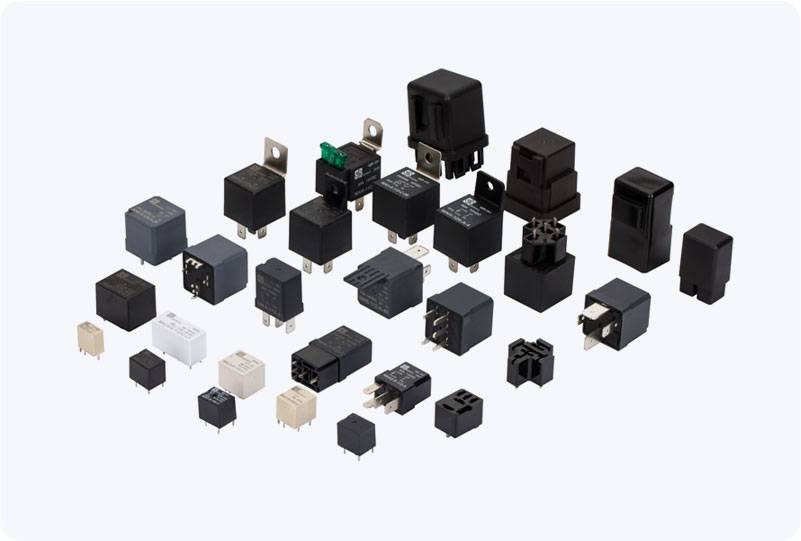
The Purpose of Overload Protection Relay The primary purpose of an Overload Protection Relay is to prevent electrical devices, especially motors, from operating under conditions that could lead to overheating or other forms of damage. Electrical systems are designed to handle a specific range of current, and when this limit is exceeded, the system becomes vulnerable to failure. Overload protection relays help avoid such scenarios by continuously monitoring the current and disconnecting the power supply if the current exceeds the preset threshold. For motors, in particular, overloading can cause excessive heat buildup. When a motor runs beyond its rated capacity, it strains the system, leading to insulation breakdown and mechanical wear. In the absence of a protection relay, this strain could lead to expensive repairs or replacements. An OPR minimizes such risks by automatically cutting off the circuit when overloading occurs.