Plastic Water Solenoid Valves are indispensable components in modern fluid control systems. As technology advances, industries are increasingly turning to plastic materials to address the challenges of corrosion and wear that are often encountered in water management systems. These valves, primarily used to regulate the flow of water, operate using an electromagnetic mechanism, offering a range of benefits for various applications, from irrigation systems to industrial water treatment facilities.
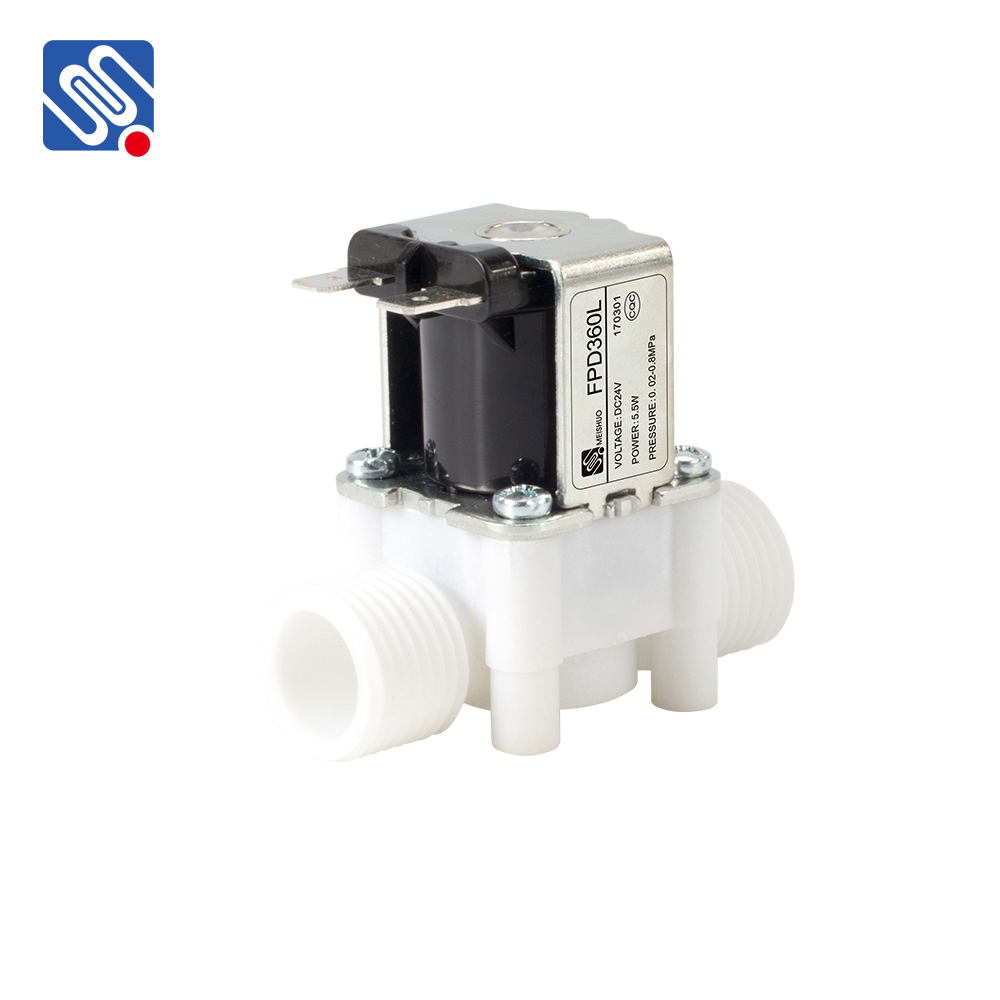
What is a Plastic Water Solenoid Valve? A Plastic Water Solenoid Valve is a type of electrically-operated valve that controls the flow of water by using electromagnetic force. Unlike manual valves, which require physical effort to open or close, solenoid valves automatically open or close based on an electrical current. When an electrical current passes through the solenoid, the valve’s plunger or diaphragm is moved, allowing or blocking the flow of water. When the current is turned off, the valve returns to its default position, typically closing the flow. Why Choose Plastic? Plastic materials, such as PVC, nylon, and polypropylene, are widely used in solenoid valves due to their inherent properties. The advantages of plastic over metals, such as stainless steel or brass, are particularly evident in water-based applications: