Pneumatic systems, which rely on compressed air to operate machinery and equipment, are prevalent in a variety of industries, from manufacturing plants to construction sites. While these systems offer efficient and cost-effective solutions for powering machinery, they also pose significant risks if not properly controlled during maintenance or repair. One of the most critical safety measures in these environments is the use of Pneumatic Lockouts, a tool designed to prevent the accidental release of air or the unintended activation of equipment during maintenance procedures.
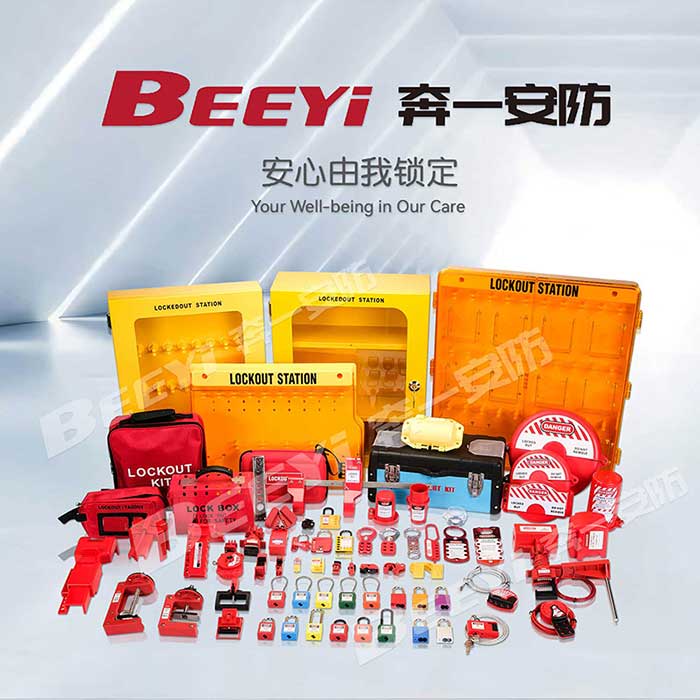
What Are Pneumatic Lockouts? Pneumatic Lockouts are safety devices used to secure pneumatic systems and ensure that they cannot be accidentally activated or deactivated during service or repair. These lockout devices are typically applied to key components such as valves, air hoses, and pressure regulators, which could otherwise cause equipment to malfunction or create hazardous situations for workers. By locking these components in a “safe” or “off” position, Pneumatic Lockouts prevent unintended operation and ensure that maintenance personnel are not exposed to any potential dangers. The primary goal of Pneumatic Lockouts is to ensure the safety of workers during maintenance. According to OSHA (Occupational Safety and Health Administration) regulations, lockout/tagout (LOTO) procedures are a mandatory practice for controlling hazardous energy during maintenance. Pneumatic Lockouts serve as a crucial part of this procedure by isolating pressurized air systems and preventing accidental energy release, which can lead to injuries, equipment damage, or even fatalities.