In industrial settings where pneumatic systems are widely used, ensuring worker safety during maintenance and repair procedures is crucial. One of the most effective tools to achieve this is the Pneumatic Lockout device. These devices are designed to isolate pneumatic energy sources and prevent unintended machinery operation, offering a critical layer of safety in environments where high-pressure air is used. In this article, we will explore the application of Pneumatic Lockouts, their benefits, and their role in improving workplace safety across various industries.
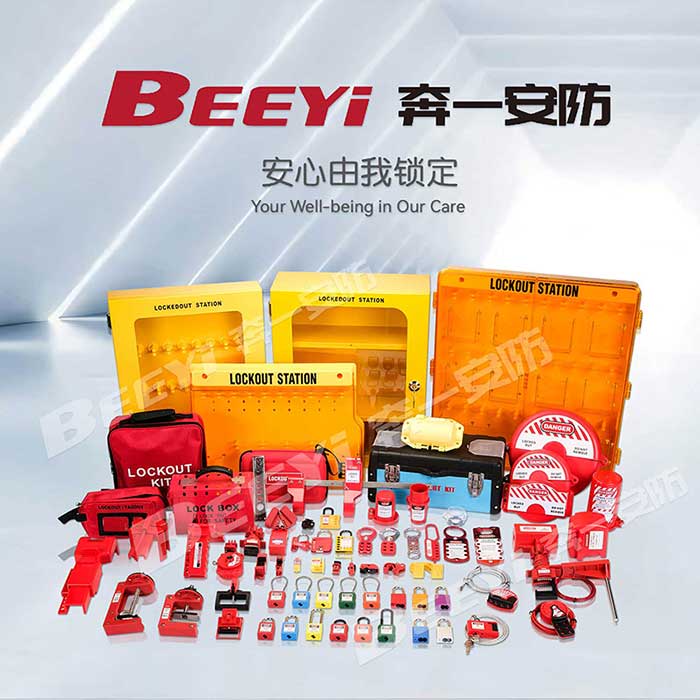
What are Pneumatic Lockouts? Pneumatic Lockouts are safety devices that prevent the accidental release of pressurized air, which could otherwise activate machinery or tools during maintenance. These lockouts are an integral part of the Lockout/Tagout (LOTO) system, which is designed to ensure that hazardous energy sources are isolated and controlled before maintenance work is performed. Pneumatic lockouts are typically used to lock off air sources, such as compressed air lines or pneumatic valves, making sure that workers are not exposed to potential injury from unintentional machine start-ups.