Pneumatic systems are essential in many industries, providing power to machinery and tools. However, these systems also present inherent risks if not properly isolated during maintenance or repair work. To mitigate these risks, pneumatic lockouts are used as part of a Lockout/Tagout (LOTO) safety procedure to ensure that equipment cannot be accidentally activated while being serviced. This guide will take you through the process of installing a pneumatic lockout, highlighting best practices and essential safety tips.
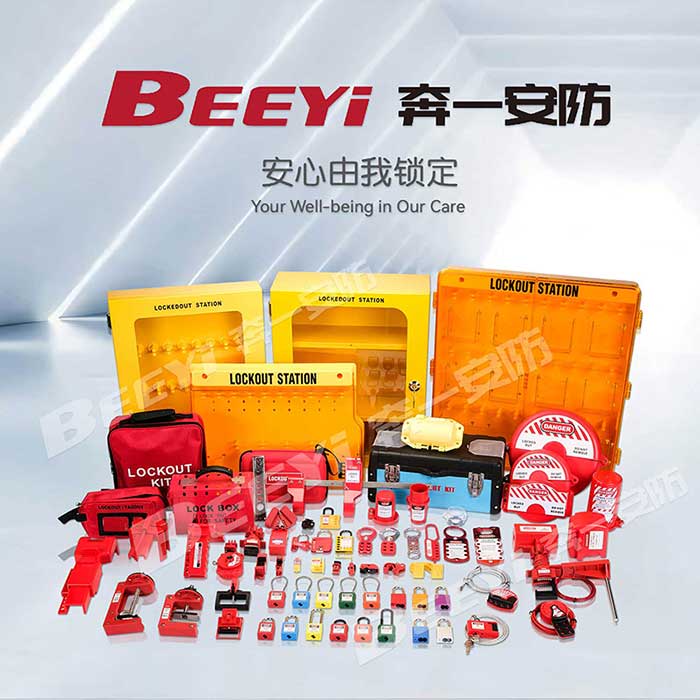
What are Pneumatic Lockouts? Pneumatic lockouts are safety devices designed to isolate pneumatic systems and prevent the release of compressed air or activation of machinery during maintenance. These devices are placed on valves, actuators, and other components to block the flow of air, ensuring that the system cannot be inadvertently turned on or pressurized while workers are performing maintenance or repairs. Why Are Pneumatic Lockouts Necessary? The main purpose of pneumatic lockouts is to protect workers from accidental injuries caused by the unintended activation of pneumatic systems. Without a lockout mechanism, there is a risk that pressure could build up in a pneumatic system, causing unexpected movements, flying debris, or other hazards. By securely locking out the system, these potential dangers are eliminated, allowing maintenance to be carried out in a safe environment.