Power relays are essential components in electrical and automation systems. They are used to control the switching of high-current circuits using a low-power input, acting as a bridge between control systems and high-power loads. The versatility and reliability of power relays have made them indispensable in various industrial, automotive, and household applications. This article will explore the basic working principles of power relays, their key components, and their broad range of applications.
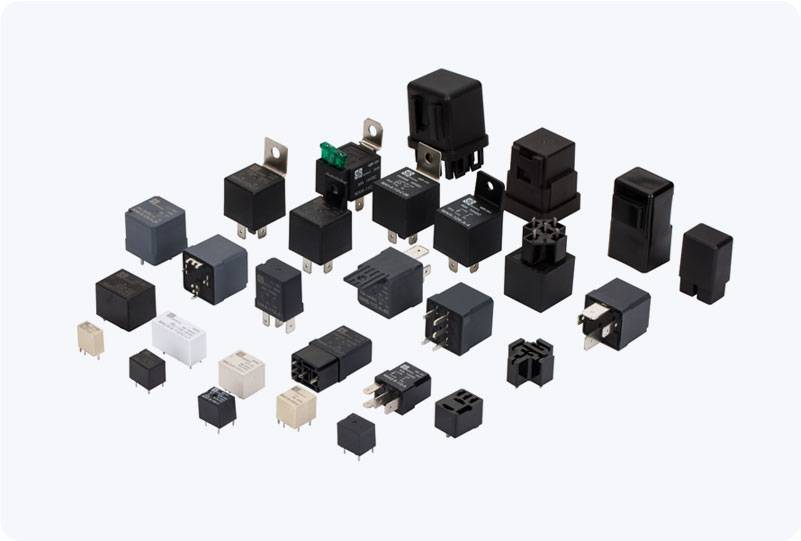
What is a Power Relay? A power relay is an electromechanical device that uses an electrical signal to control the operation of a larger power circuit. In simple terms, it acts as a switch that can control high-power circuits with a small, low-voltage control signal. Power relays typically consist of an electromagnet (coil), contact points (NO, NC), and a spring mechanism that returns the relay to its default state once the control signal is removed. The power relay works by passing a current through the coil, generating a magnetic field that causes the contacts to either open or close, depending on the configuration. The opening and closing of the contacts allow the relay to control the flow of electricity in the connected circuit, which is ideal for applications requiring the switching of heavy electrical loads.