A PVC solenoid valve is a vital component used to control the flow of liquids and gases in various fluid handling systems. Made from polyvinyl chloride (PVC), these valves are widely recognized for their ability to withstand harsh environments, especially in systems that handle corrosive or aggressive fluids. This article delves into the working principle, features, applications, and advantages of PVC solenoid valves, showcasing their crucial role in modern industrial processes.
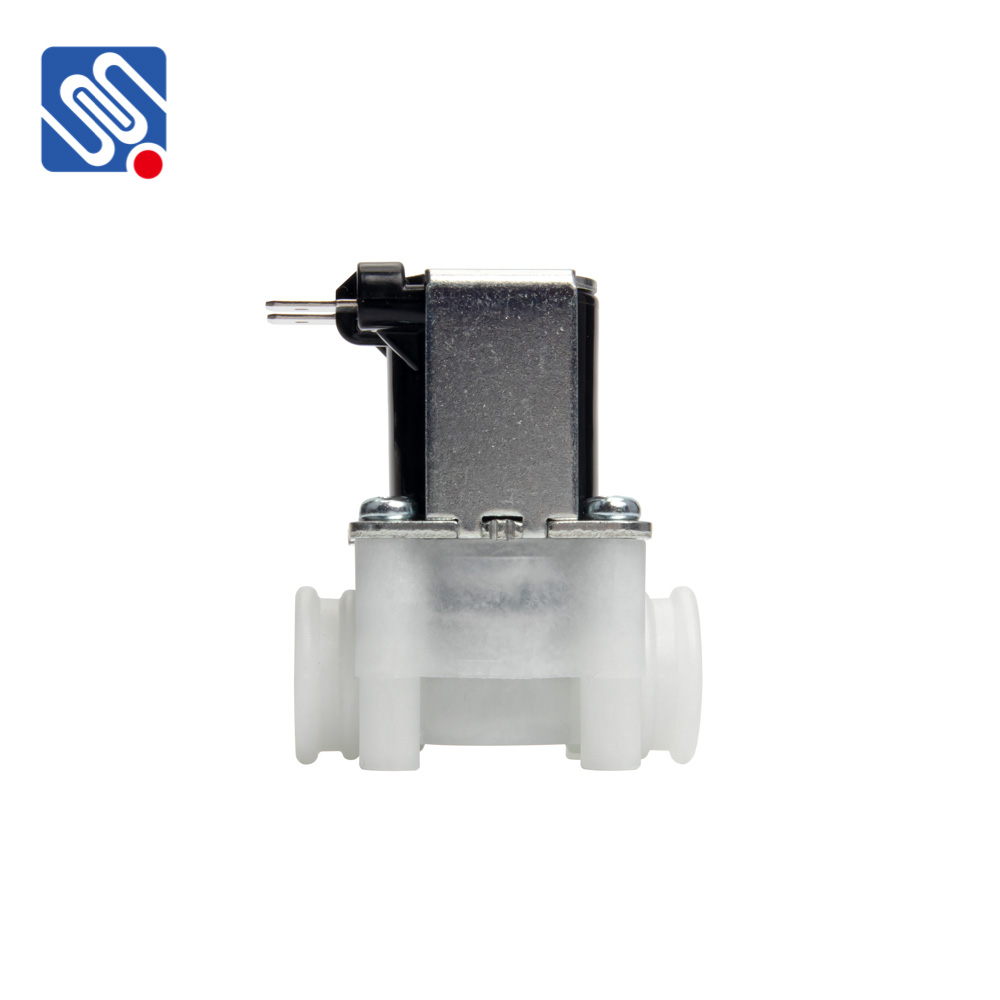
What is a PVC Solenoid Valve? A PVC solenoid valve is an electromechanical valve that regulates the flow of fluids or gases by using an electric current to control the position of a valve. The body of the valve is constructed from PVC, a durable, lightweight, and cost-effective material known for its resistance to corrosion and chemical wear. Solenoid valves, in general, consist of a coil (the solenoid) and a plunger, which moves when electrical current flows through the solenoid. The movement of the plunger opens or closes the valve to control the fluid or gas flow in the system. Key Features of PVC Solenoid Valves
Leave a Reply
You must be logged in to post a comment.