A Quick Open Solenoid Valve (QOSV) is a highly specialized device used in fluid control systems to regulate the flow of liquids or gases rapidly. These valves are critical in applications that require quick, precise, and reliable fluid regulation, such as in automated systems, pneumatic circuits, or emergency response systems like fire suppression. This article will delve into the working principle, features, applications, and advantages of Quick Open Solenoid Valves, shedding light on their importance in modern industrial automation.
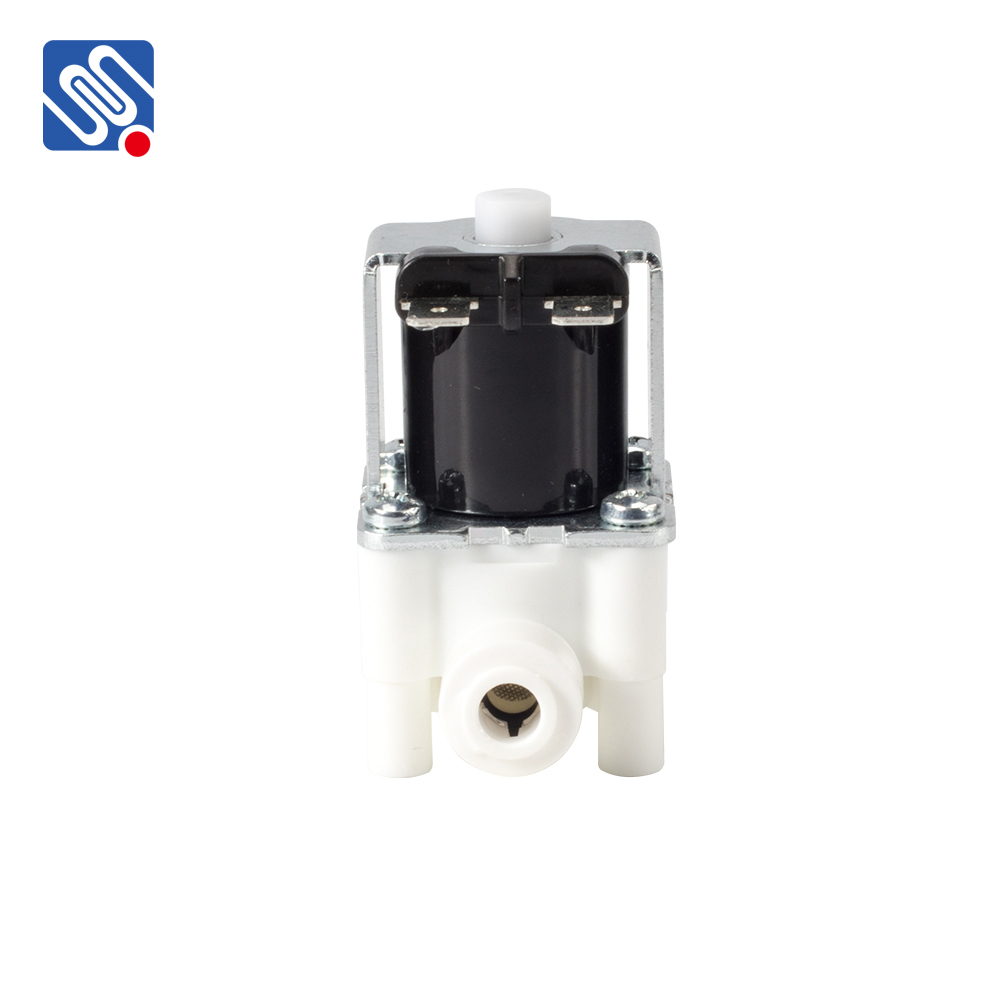
Working Principle of Quick Open Solenoid Valves A Quick Open Solenoid Valve is an electromechanical device that uses a solenoid to control the valve’s operation. The solenoid, when energized, generates a magnetic field that causes the valve’s plunger to move, either opening or closing the valve. This movement is almost instantaneous, which is why the valve is referred to as “quick open.” The basic construction of a quick open solenoid valve consists of a solenoid coil, a valve body, a plunger or diaphragm, and a spring. The solenoid coil is connected to an electrical control circuit. When the control system sends an electrical signal, the solenoid coil is activated, causing the plunger to either open or close the valve rapidly. The valve is typically designed so that the spring ensures the valve returns to its closed state when power is removed.