A Quick Open Solenoid Valve is an essential component in various fluid control systems that require rapid and precise regulation of fluids such as gas, liquid, and steam. These valves are designed to provide fast, reliable, and efficient control, making them a key element in industrial automation, air and liquid systems, and many other applications where timing and precision are crucial. This article delves into the functionality, types, applications, and advantages of Quick Open Solenoid Valves.
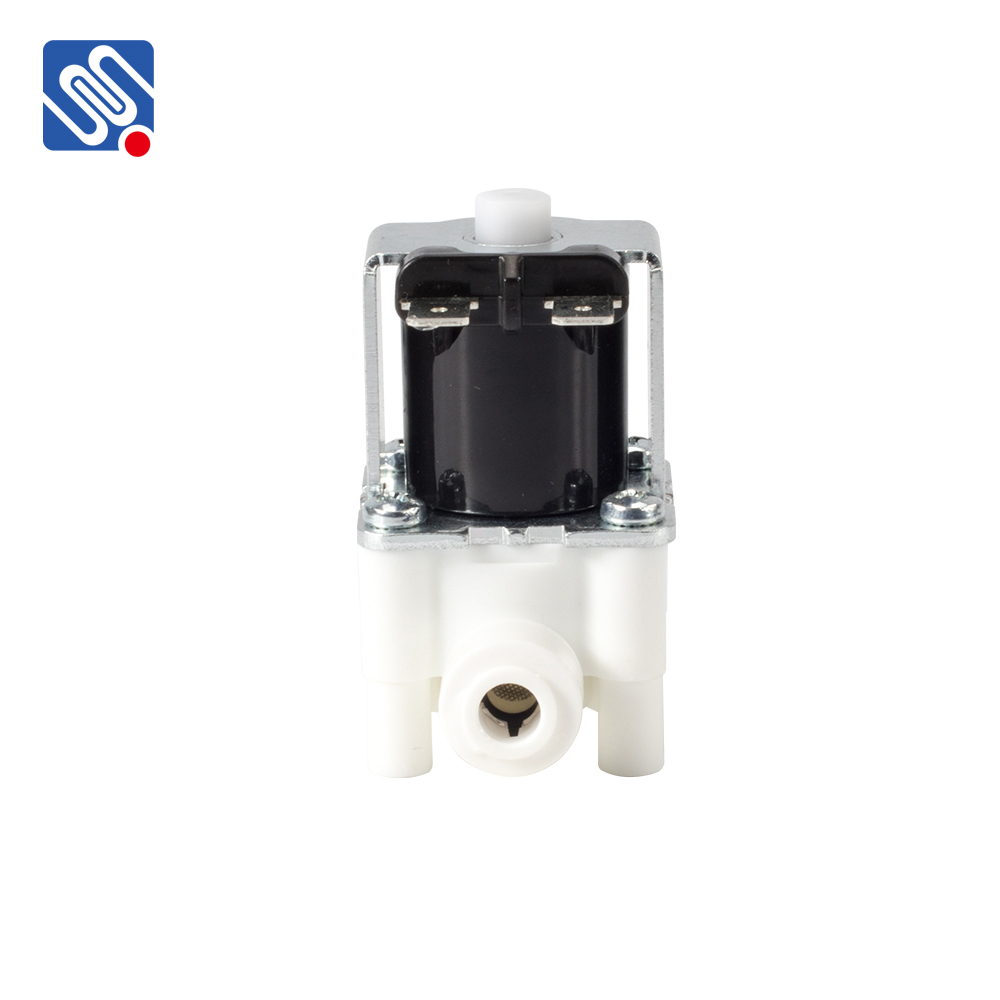
What is a Quick Open Solenoid Valve? A Quick Open Solenoid Valve is a type of valve that uses an electromagnetic solenoid to control the opening and closing of the valve. Unlike standard valves, which may take a few seconds to open or close, Quick Open Solenoid Valves are designed for swift actuation, often responding within milliseconds. These valves are used to manage the flow of fluids in a way that demands precision and speed, making them ideal for systems where quick responses are needed. The operation of a Quick Open Solenoid Valve is relatively straightforward. When an electric current passes through the solenoid coil, it generates a magnetic field that moves the valve’s plunger, either opening or closing the valve. The speed of this action is what distinguishes quick-opening valves from others, offering almost instantaneous control of the fluid path.