Relays are fundamental components in electrical and electronic systems, offering a reliable means of controlling high-power circuits with low-power signals. From automotive systems to industrial controls, relays serve various roles, from simple switching to load isolation and signal amplification. To ensure the effective use of relays, understanding the key aspects involved in their application is crucial. This article explores key points covered in relay application notes, including the selection process, wiring considerations, and practical applications, all aimed at optimizing relay performance and longevity.
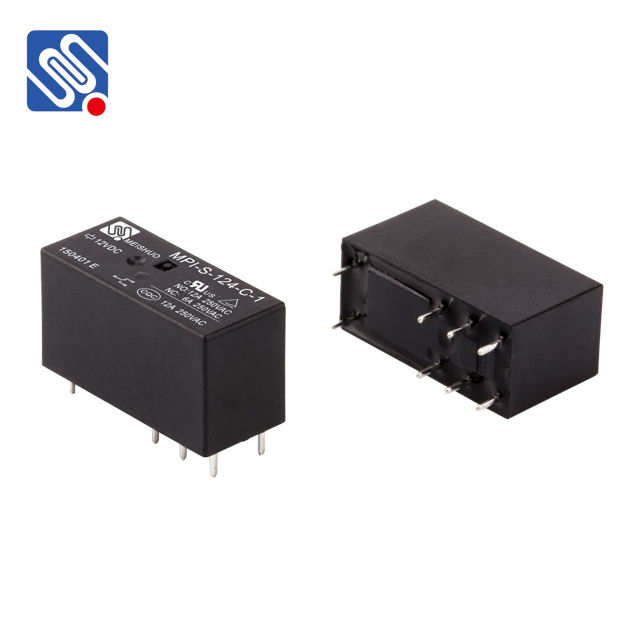
Understanding Relays and Their Operation A relay is an electromechanical device that allows a low-power electrical signal to control a high-power circuit. It typically consists of a coil, a set of contacts, and an armature. When current flows through the coil, it generates a magnetic field that moves the armature, thereby opening or closing the contacts in the relay. The primary advantage of using a relay is its ability to isolate the low-power control circuit from the high-power load circuit. There are various types of relays, including Single-Pole Double-Throw (SPDT), Double-Pole Double-Throw (DPDT), and more specialized forms like reed relays and solid-state relays. The type of relay chosen depends on the specific requirements of the application, such as the number of switching positions, voltage and current ratings, and load type.