Relays are essential components in a variety of electrical and electronic systems, serving as switches that allow for the control of high-power circuits with low-power control signals. Whether in automotive, industrial, telecommunications, or consumer electronics, relays play a crucial role in automation and protection systems. To ensure optimal performance and longevity, engineers often rely on relay application notes, which offer guidelines on how to properly select, design, and troubleshoot relay-based circuits.
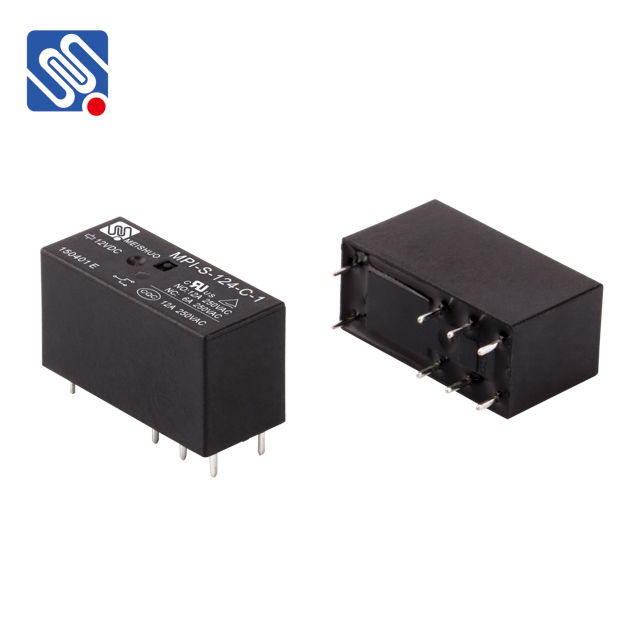
Understanding the Basics of Relays A relay is an electrically operated switch. It consists of a coil, which when energized, generates a magnetic field that moves a set of contacts to either open or close a circuit. Relays are typically used to isolate different parts of a system or to control high-current or high-voltage devices using low-power signals. In application notes, the working principle of relays is often explained in detail to help engineers understand the conditions under which relays can operate efficiently. Key Factors in Relay Selection One of the most important aspects covered in relay application notes is how to choose the right relay for a specific application. There are several key factors to consider: