Relay assembly plays a critical role in the assembly and functioning of electrical control systems. A relay is an electrically operated switch used in a variety of applications, including automation systems, automotive circuits, and power grids. The assembly of a relay involves various stages that ensure the device performs its intended function: controlling large electrical loads through small control signals. Understanding the process of relay assembly is essential for designing reliable and efficient electrical systems.
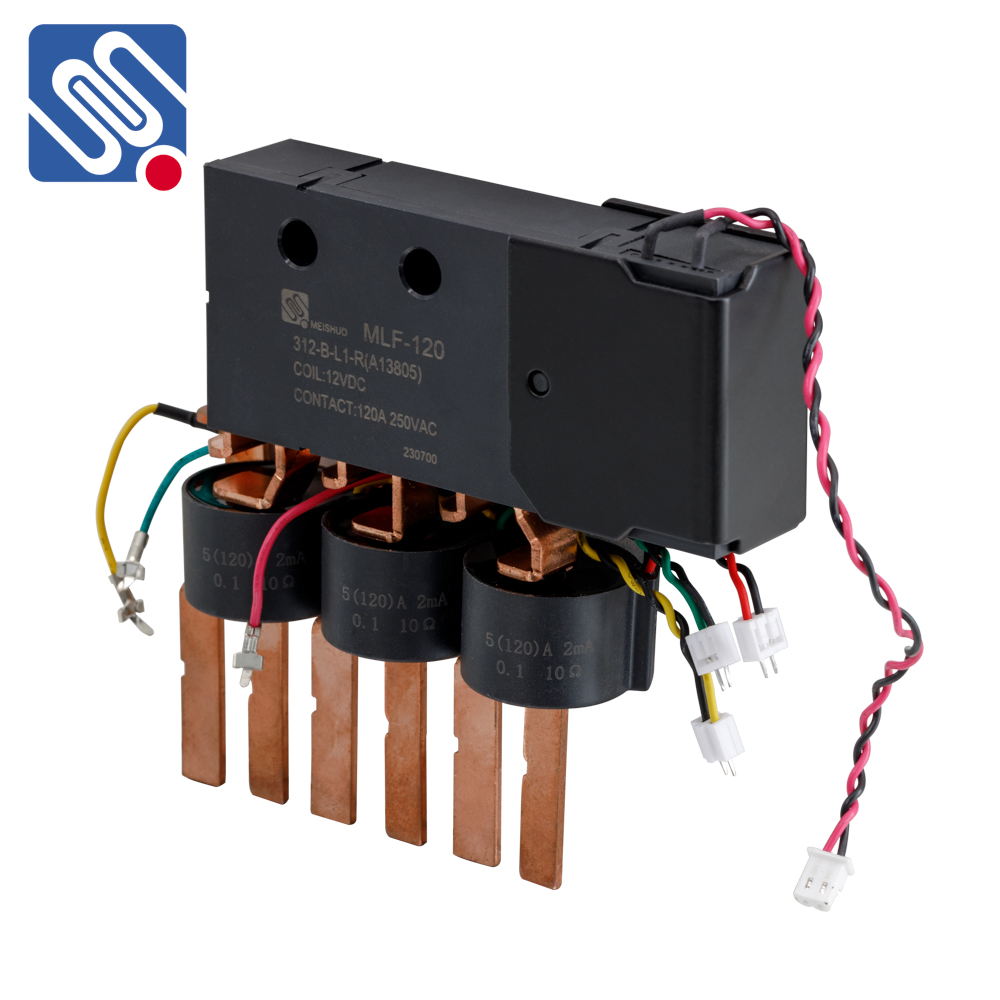
The Basics of Relay Assembly At its core, a relay operates by using an electromagnet to open or close electrical contacts. The assembly of a relay involves connecting these components in a specific manner to ensure that it can handle high currents without malfunctioning. The process begins with the preparation of the relay’s core components, such as the coil, contacts, armature, and casing. These components must be manufactured to high tolerances, as even small imperfections can result in failure of the relay. Key Components in Relay Assembly The main components that make up a relay are the coil, armature, contacts, and casing. The coil, which is typically made of copper wire, is wound around a magnetic core. When current flows through the coil, it generates a magnetic field that moves the armature, which in turn opens or closes the contacts. These contacts are responsible for completing or interrupting an electrical circuit, enabling the relay to control larger electrical devices like motors, lights, or industrial machinery.