Relay characteristics are crucial in understanding how relays operate in various circuits, from simple home appliances to complex industrial automation systems. Relays, which function as electronic switches, allow a low-power control signal to manage the switching of high-power circuits. Their characteristics directly impact their efficiency, reliability, and longevity. This article explores the key relay characteristics and the considerations necessary to select and use relays effectively in different applications.
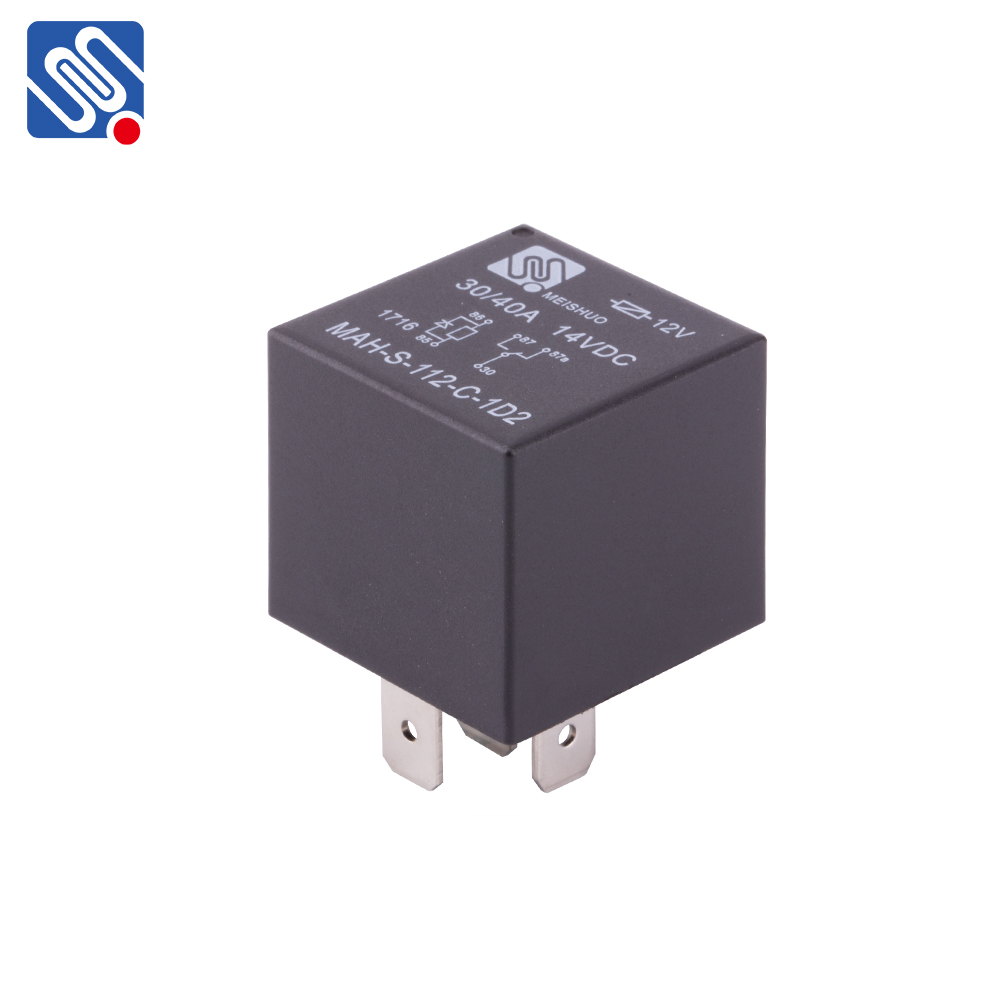
1. Contact Configuration Relays are primarily characterized by the configuration of their contacts, which are integral to their switching functionality. The two main types of contacts are: Normally Open (NO): These contacts remain open under normal conditions, only closing when the relay is energized. Normally Closed (NC): These contacts stay closed in their default state and open when the relay is activated. Additionally, relays may include Single Pole Double Throw (SPDT) or Double Pole Double Throw (DPDT) contacts, which allow for more complex switching capabilities. Understanding the correct contact configuration is essential in designing circuits that require specific switching behaviors.