Relay circuit design plays a pivotal role in the development of electrical and electronic systems, serving as a crucial mechanism for controlling high-power devices with low-power signals. Relays are electromechanical switches that allow one circuit to control another by utilizing an electromagnet to open or close the circuit. This article delves into the fundamentals of relay circuit design, highlighting its core principles, applications, and the key considerations involved in crafting a reliable and effective relay-based control system.
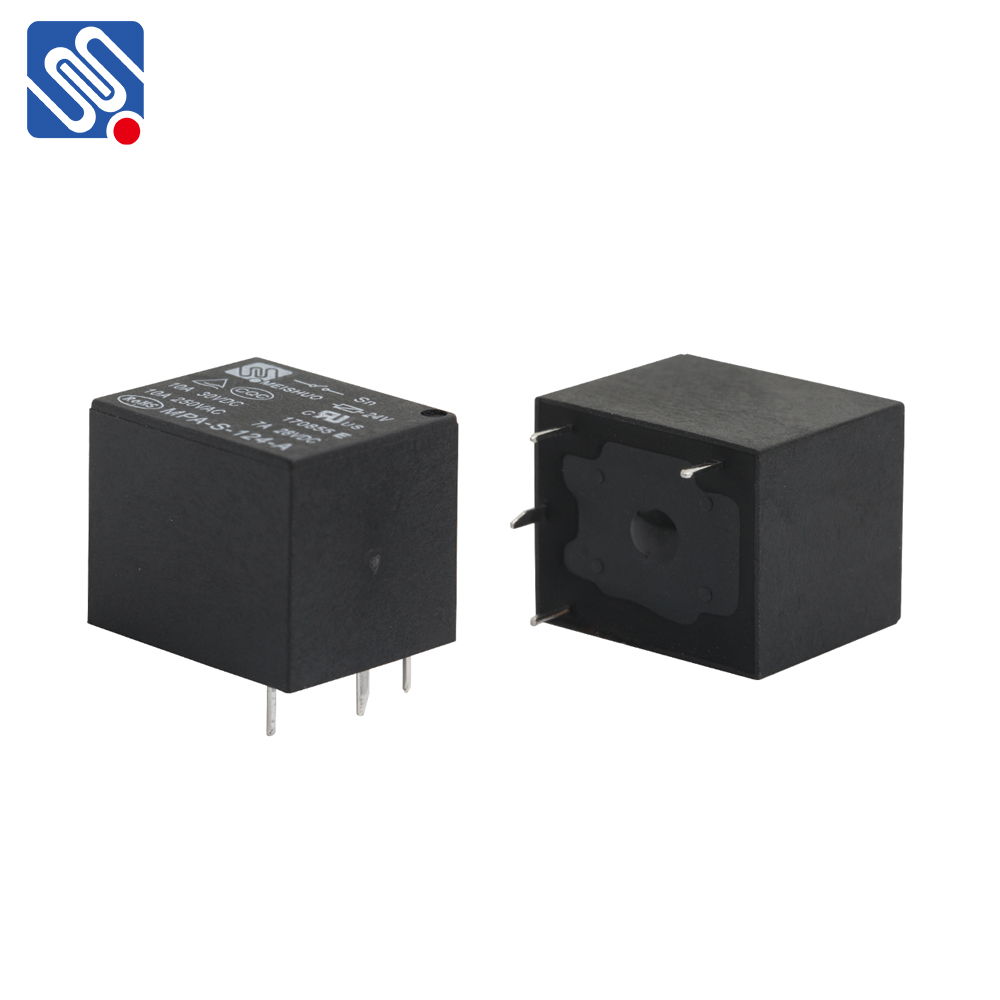
What is a Relay and How Does It Work? A relay is a type of electrical switch that uses an electromagnet to operate a set of contacts, opening or closing a circuit in response to an input signal. When a current flows through the relay’s coil (the electromagnet), it generates a magnetic field that attracts an armature, causing the contacts to either make or break a connection. The two main types of relay contacts are normally open (NO) and normally closed (NC). A normally open contact will close when the relay is energized, while a normally closed contact will open. The advantage of using a relay in circuit design is that it allows a low-power signal to control a high-power circuit. This is especially useful when dealing with sensitive electronics, such as microcontrollers or low-voltage logic circuits, where direct switching of high-voltage or high-current loads would be impractical or unsafe.