Relay circuit protection plays a pivotal role in ensuring the safe operation of electrical systems by automatically detecting and responding to faults, thus preventing equipment damage and maintaining system integrity. It is a critical component in modern electrical engineering, especially in industries and infrastructure that depend on reliable and continuous power supply. This article delves into the concept of relay circuit protection, its types, working principles, and applications in various electrical systems.
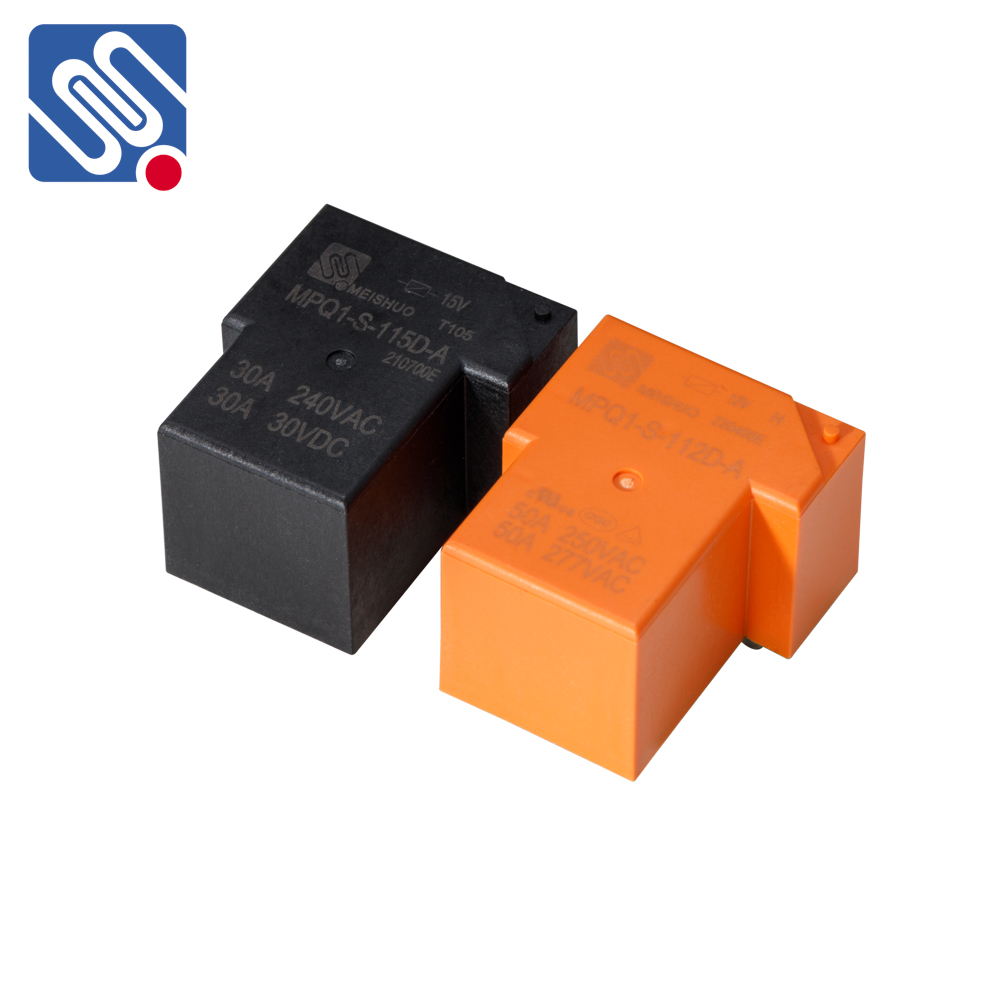
1. Understanding Relay Circuit Protection A relay is an electrical device that controls the opening and closing of electrical contacts in response to an external stimulus, such as a current, voltage, or temperature change. Relay circuit protection refers to the use of protective relays to monitor and control the performance of electrical circuits. These relays are designed to sense abnormal conditions such as overloads, short circuits, or under-voltage and automatically disconnect the affected portion of the circuit. By doing so, they protect sensitive electrical equipment from potential damage caused by these faults.