A Relay Control System is an essential component in electrical and electronic automation, widely used to manage the operation of devices and circuits efficiently. At its core, a relay is an electrically operated switch that uses an electromagnetic coil to control one or more sets of contacts. This system allows low-power signals to control high-power devices, providing both safety and flexibility in various applications.
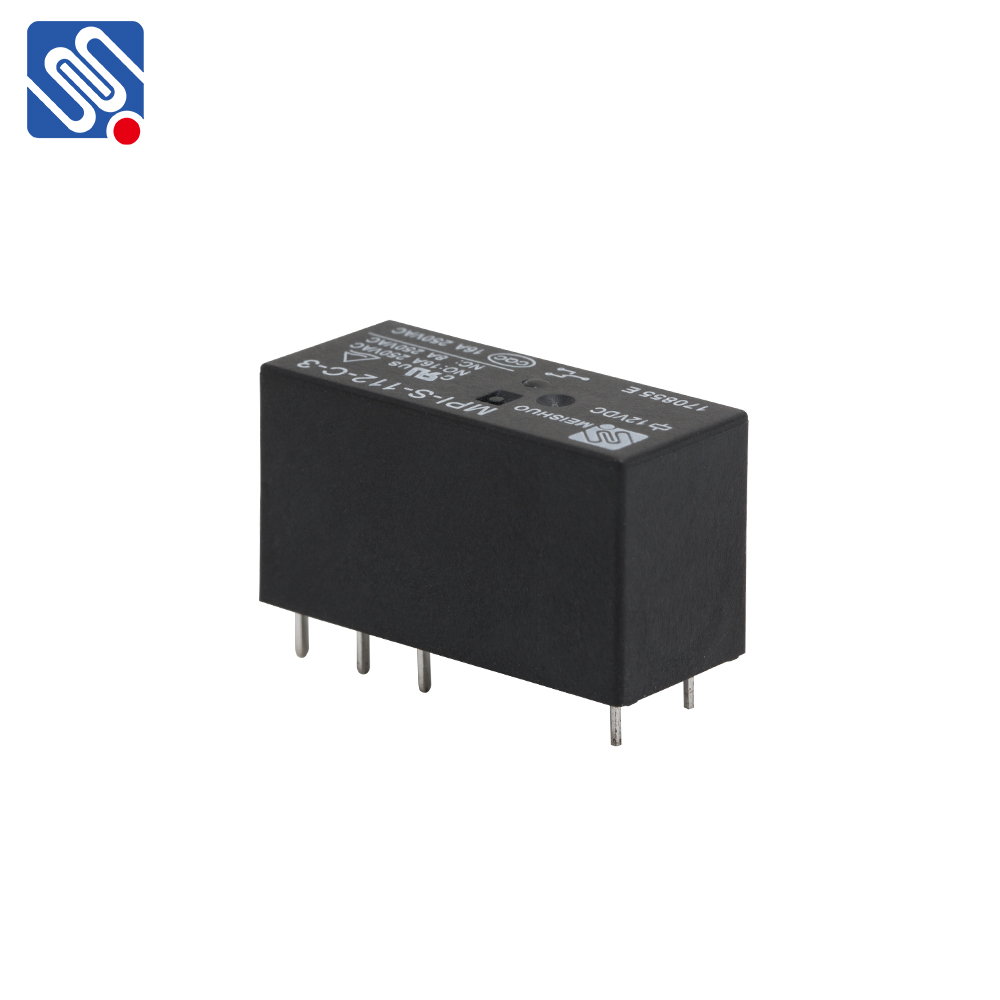
The fundamental working principle of a relay control system is relatively straightforward. When a voltage is applied to the relay coil, it generates a magnetic field that attracts a movable contact toward a fixed contact, thus closing or opening the circuit. Once the voltage is removed, a spring returns the contact to its original position, breaking or reconnecting the circuit. This simple mechanism enables precise control over electrical devices without requiring direct human intervention.
One of the main advantages of a relay control system is its ability to provide electrical isolation. The control circuit and the load circuit can operate at different voltage levels, which protects sensitive components from high currents or voltage spikes. Moreover, relays can handle significant electrical loads, making them suitable for industrial applications such as motor control, lighting systems, and heating devices.