Relay drive is an essential concept in modern control systems, offering a crucial means of controlling high-power devices through low-power signals. It has become an indispensable component in a wide variety of applications, ranging from industrial automation to home appliances. This article explores the working principles, applications, and advantages of relay drive systems.
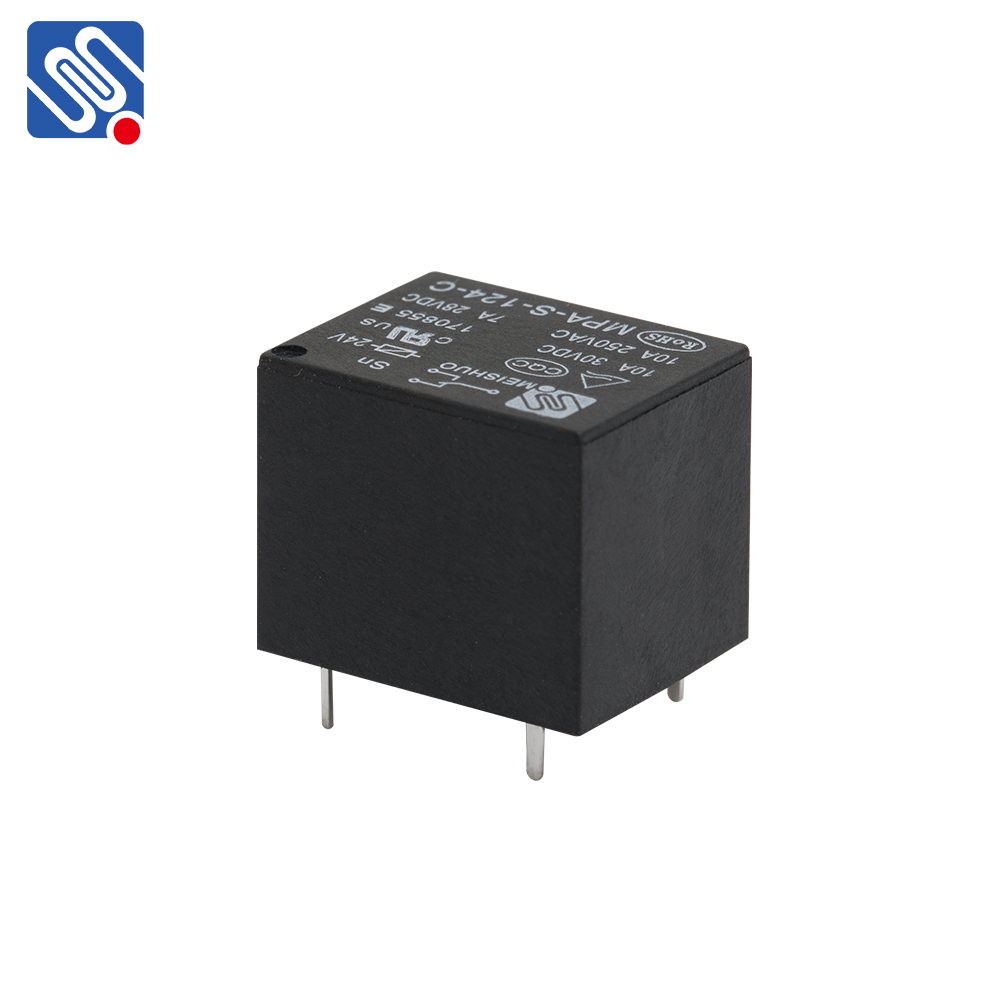
What is Relay Drive? Relay drive refers to the process of controlling a relay using an electronic circuit or microcontroller. A relay, essentially an electromagnetic switch, allows a low-power signal to control a high-power device. The core function of a relay is to provide electrical isolation between the control signal and the device being controlled, allowing for the safe operation of electrical devices like motors, lamps, and other heavy electrical equipment. The relay consists of an electromagnet (the coil), a movable armature, and a set of contacts. When a current flows through the coil, it generates a magnetic field that moves the armature, causing the contacts to either close or open. This operation enables the relay to control a high-power circuit using a much smaller control signal.