Relays are essential components in modern automobiles, responsible for controlling high-power electrical devices with low-power signals. Whether it’s for activating the headlights, starting the engine, or powering the air conditioning system, relays play a key role in ensuring that various car systems function as expected. However, like any other electrical component, relays are prone to failure, which can lead to serious issues with your vehicle’s electrical system. Understanding the common relay failure modes can help car owners identify potential problems early and avoid costly repairs.
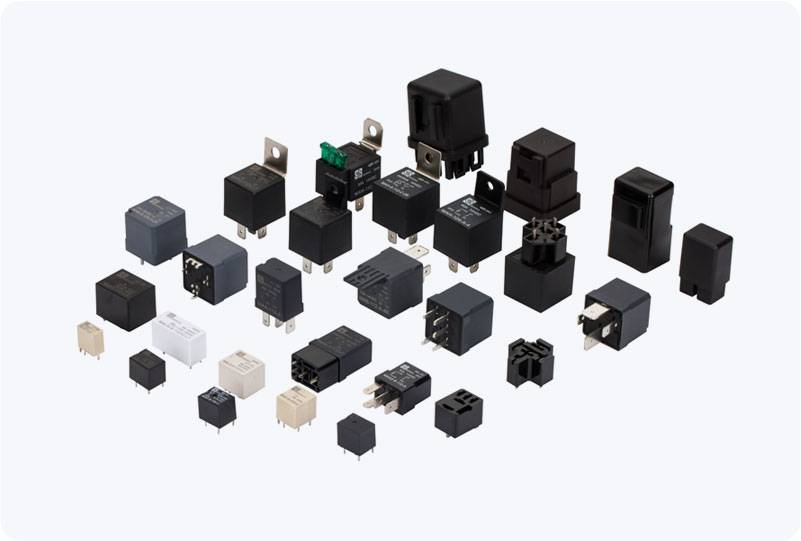
What is a Relay? A relay is an electrically operated switch that allows a low-power circuit to control a higher-power circuit. Inside a relay, there is an electromagnet (the coil) that, when energized, creates a magnetic field to move a set of contacts that open or close, thus controlling the flow of electricity. Relays are used for a variety of purposes in a vehicle, including controlling the headlights, fuel pumps, cooling fans, starter motors, and more. Common Relay Failure Modes in Cars Relays, like all mechanical and electrical components, have a limited lifespan. Over time, they are subject to various failure modes that can lead to the malfunction of the systems they control. Below are some of the most common failure modes: