The relay industry, a critical component in electrical systems worldwide, continues to evolve with advancements in technology and shifting market demands. Relays are electrical switches that open or close circuits electronically, used in a wide range of applications, from industrial automation to consumer electronics. As the world becomes more interconnected and reliant on advanced technology, the trends within the relay industry reflect broader global shifts in energy consumption, automotive development, and industrial automation. This article will explore the key trends shaping the relay industry, including the rise of electric vehicles (EVs), industrial automation, and the growing need for high-voltage relay solutions, and will provide an outlook for the industry’s future.
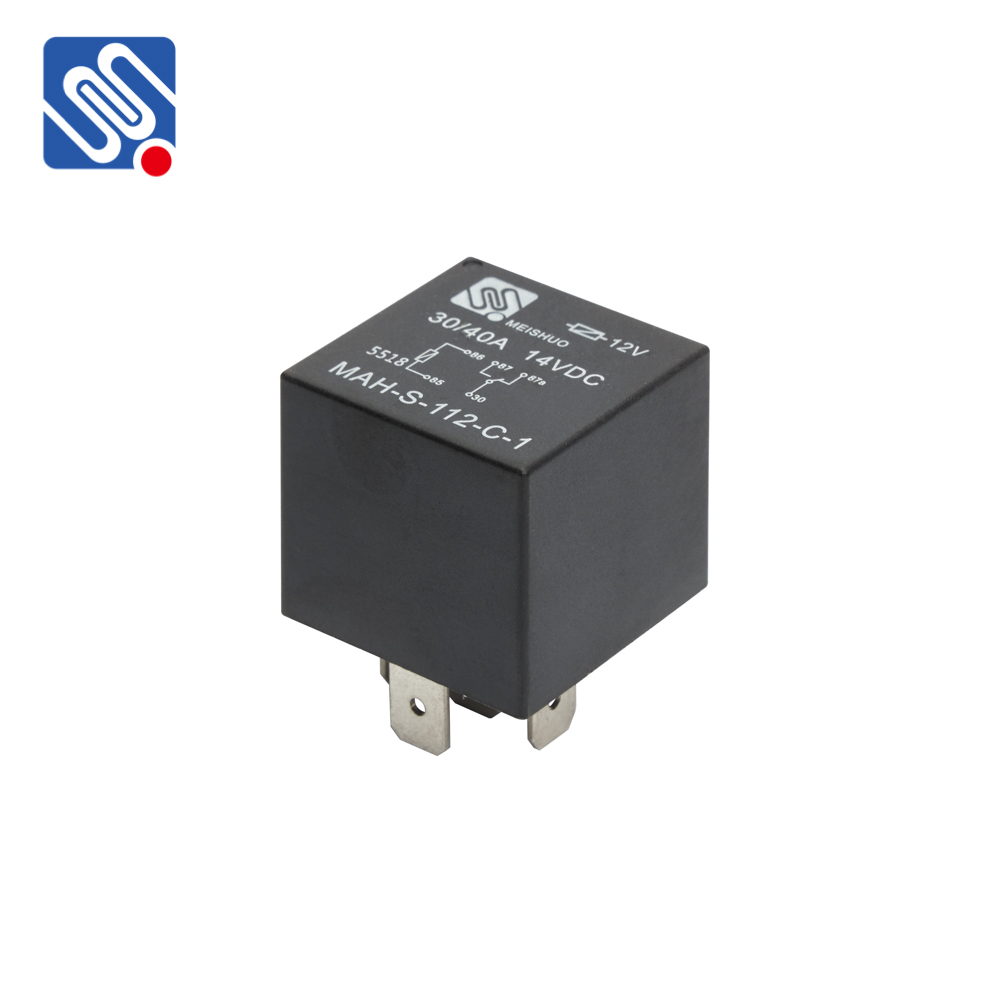
The Role of Electric Vehicles and High-Voltage Relays Electric vehicles (EVs) are one of the most significant drivers of change within the relay industry. The shift towards electric mobility demands more sophisticated and high-performance relay systems to manage and control high-voltage circuits, particularly within battery management systems (BMS) and charging infrastructure. As battery technology advances, with an increasing number of EV models moving toward higher voltage systems (such as 800V platforms), the need for reliable high-voltage relays is intensifying. Relays in EVs play an essential role in switching high-power circuits without mechanical wear, ensuring that circuits remain protected and operate with efficiency. The growing adoption of electric cars is directly influencing the demand for power relays and solid-state relays (SSRs), which are capable of handling high currents and voltages required by modern EVs.