Relay installation is a fundamental aspect of electrical and electronic systems, serving as a critical component for controlling high-voltage circuits with low-voltage signals. From simple home automation systems to complex industrial machines, relays enable devices to be turned on or off safely and efficiently. This article will provide a detailed explanation of relay installation, covering the types of relays, the wiring process, safety considerations, and essential steps to ensure a reliable and effective setup.
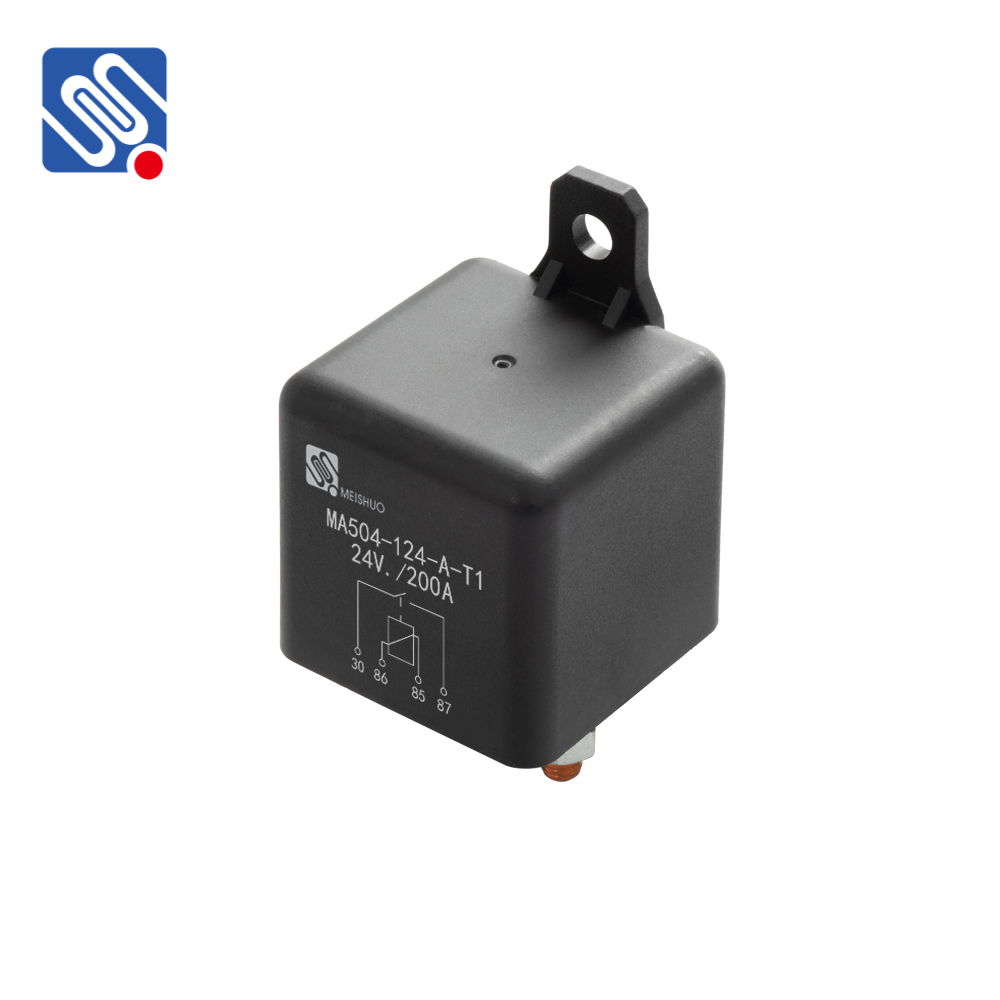
What Is a Relay? A relay is an electrically operated switch that controls the flow of current in a circuit. It consists of an electromagnet that, when energized, activates or deactivates the switch, enabling or disabling the connection between different parts of a circuit. There are various types of relays, including electromechanical relays (EMRs), solid-state relays (SSRs), and reed relays, each offering different advantages depending on the application. The primary advantage of using a relay is the ability to control a high-voltage circuit with a low-voltage signal, which is especially useful when you need to protect sensitive components or control large appliances with a microcontroller or low-power system.