The relay market has been experiencing significant growth and innovation across various sectors in recent years. A relay, an electrical switch used to control circuits in automation, energy systems, and electronic devices, has evolved from a simple mechanical device into a crucial component in more complex systems. In this article, we will explore the latest trends shaping the relay market, including advancements in automation, energy management, IoT integration, and miniaturization.
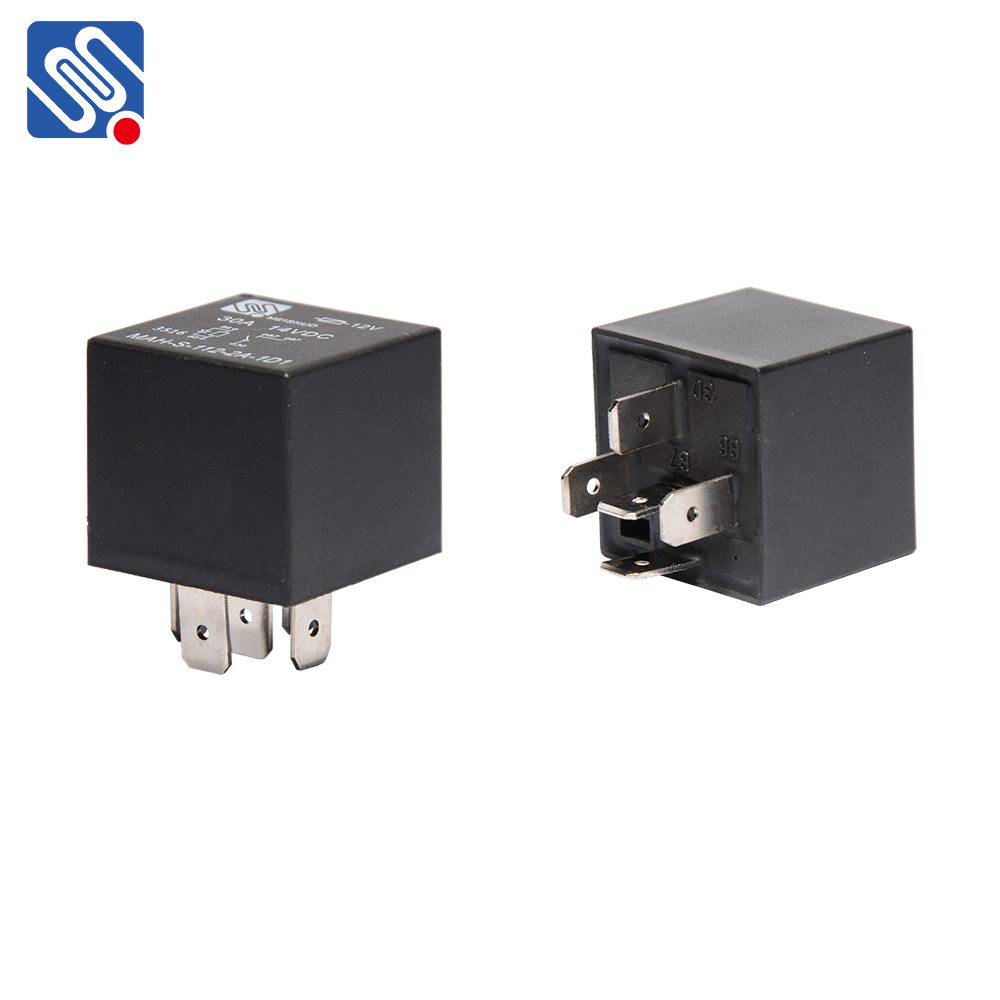
1. Shift Towards Smart and Automated Relays The most significant trend in the relay market is the shift towards smart relays driven by the rapid growth of automation and Industry 4.0 technologies. Traditionally, relays were used for basic on/off switching operations. However, modern relays are now integrated with sensors, microcontrollers, and communication technologies that enable them to perform more advanced tasks. Smart relays can monitor system performance, detect faults, and optimize energy usage, thus enhancing operational efficiency. Automation systems across industries, from manufacturing plants to smart buildings, require relays capable of handling complex operations with minimal human intervention. These relays can be connected to the internet, allowing for remote monitoring and control. This trend towards smart relays is accelerating with the rise of industrial IoT (Internet of Things), where real-time data exchange between devices enables predictive maintenance and optimized control systems.